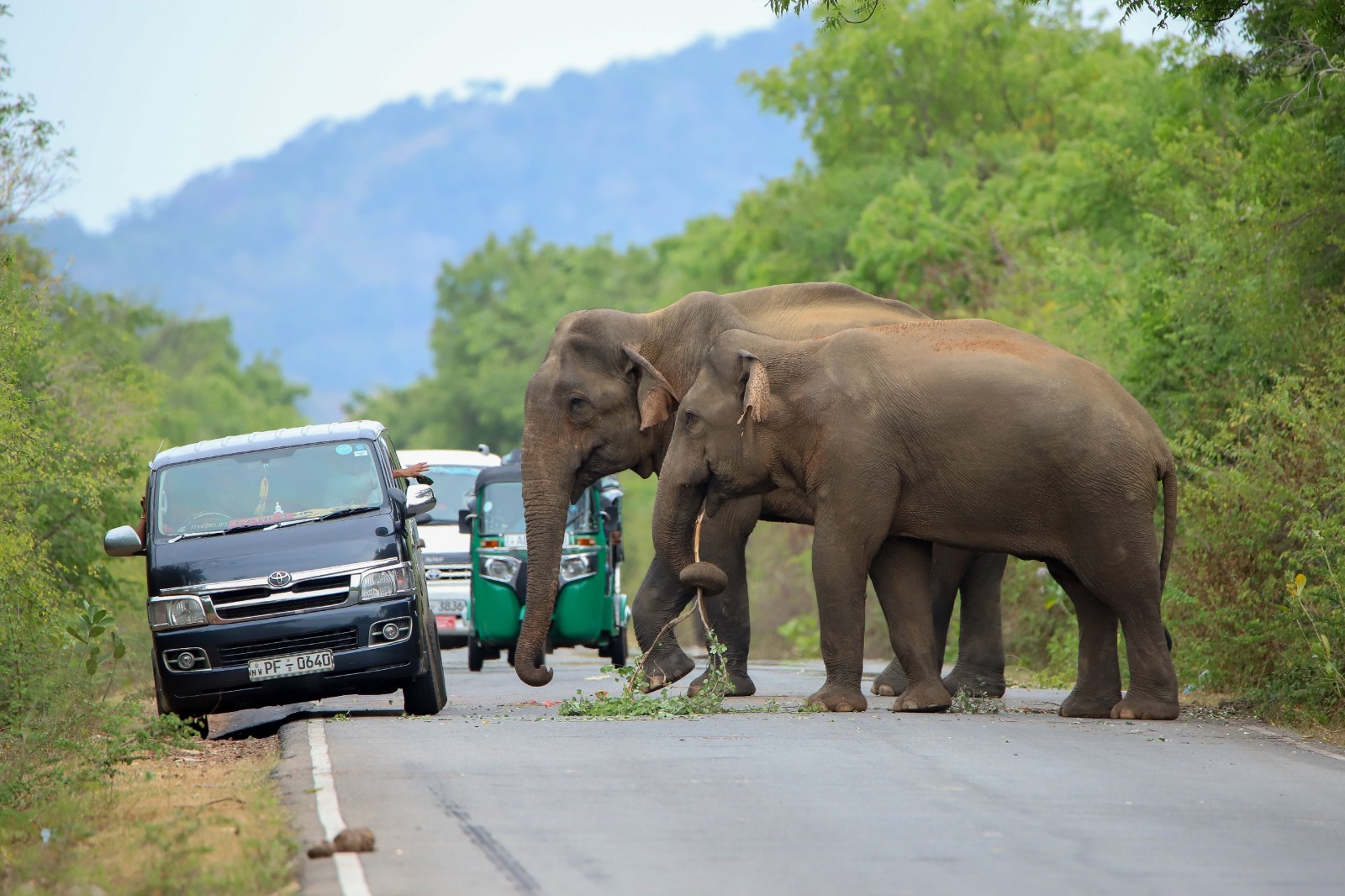
Elephant Corridor in Sri Lanka
Landscape Conservation Initiative

Reconnecting Landscapes

Elephant Corridor Restoration in North-Western Sri Lanka Restoring habitat connectivity to reduce human-elephant conflict and secure wildlife movement pathways.

Sri Lanka's Elephant Crisis

Sri Lanka's north western dry zone supports one of the country's most significant elephant populations, yet it also experiences some of the highest levels of human elephant conflict nationwide.

In this region, elephants live largely outside formally protected areas and move through a mosaic of forests, scrublands, agricultural land, roads, and railways. As natural habitats have become fragmented over time, elephants are increasingly forced to cross human dominated landscapes to access food, water, and shelter.

This results in frequent conflict, infrastructure damage, and loss of life on both sides creating an urgent need for landscape scale conservation solutions.
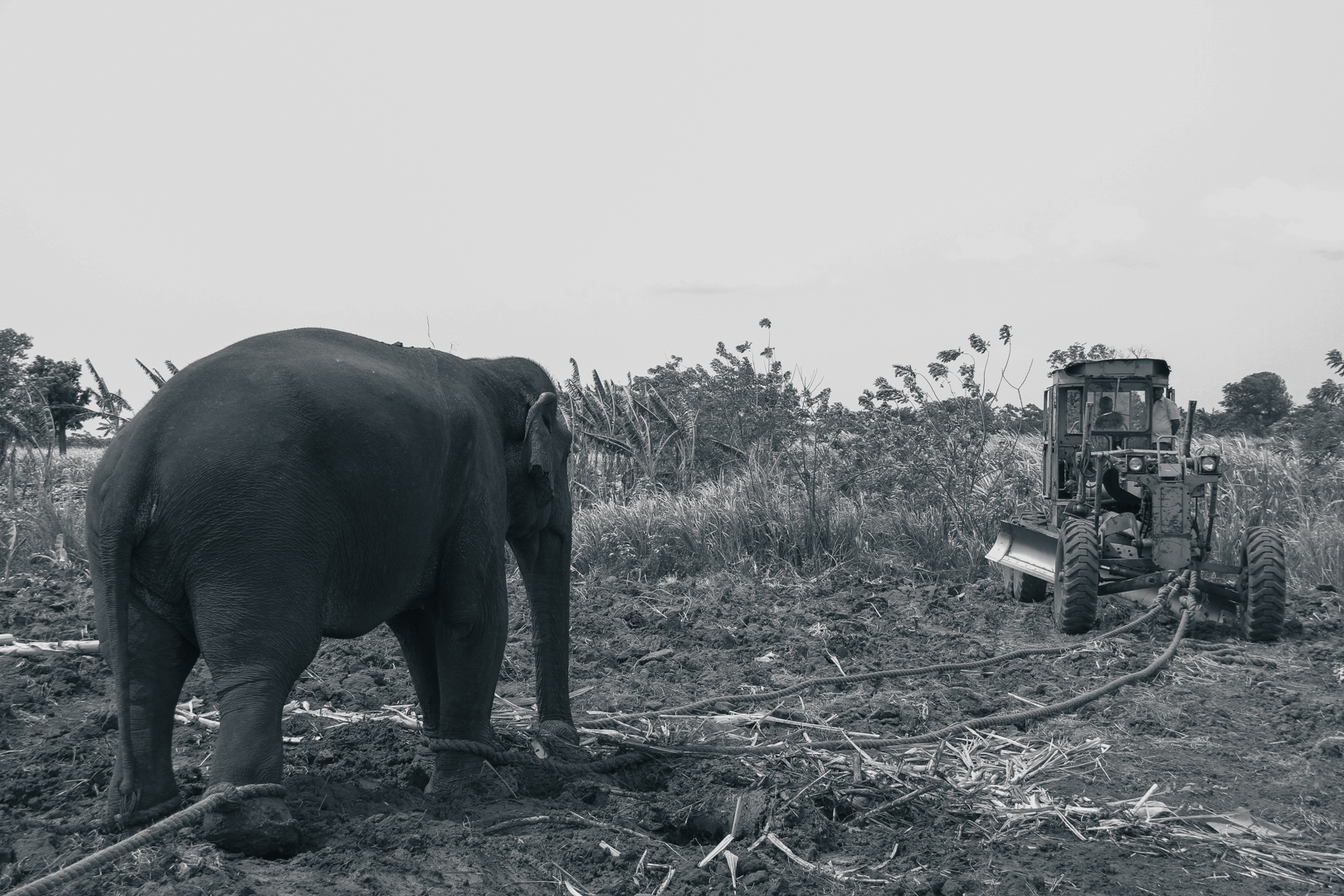
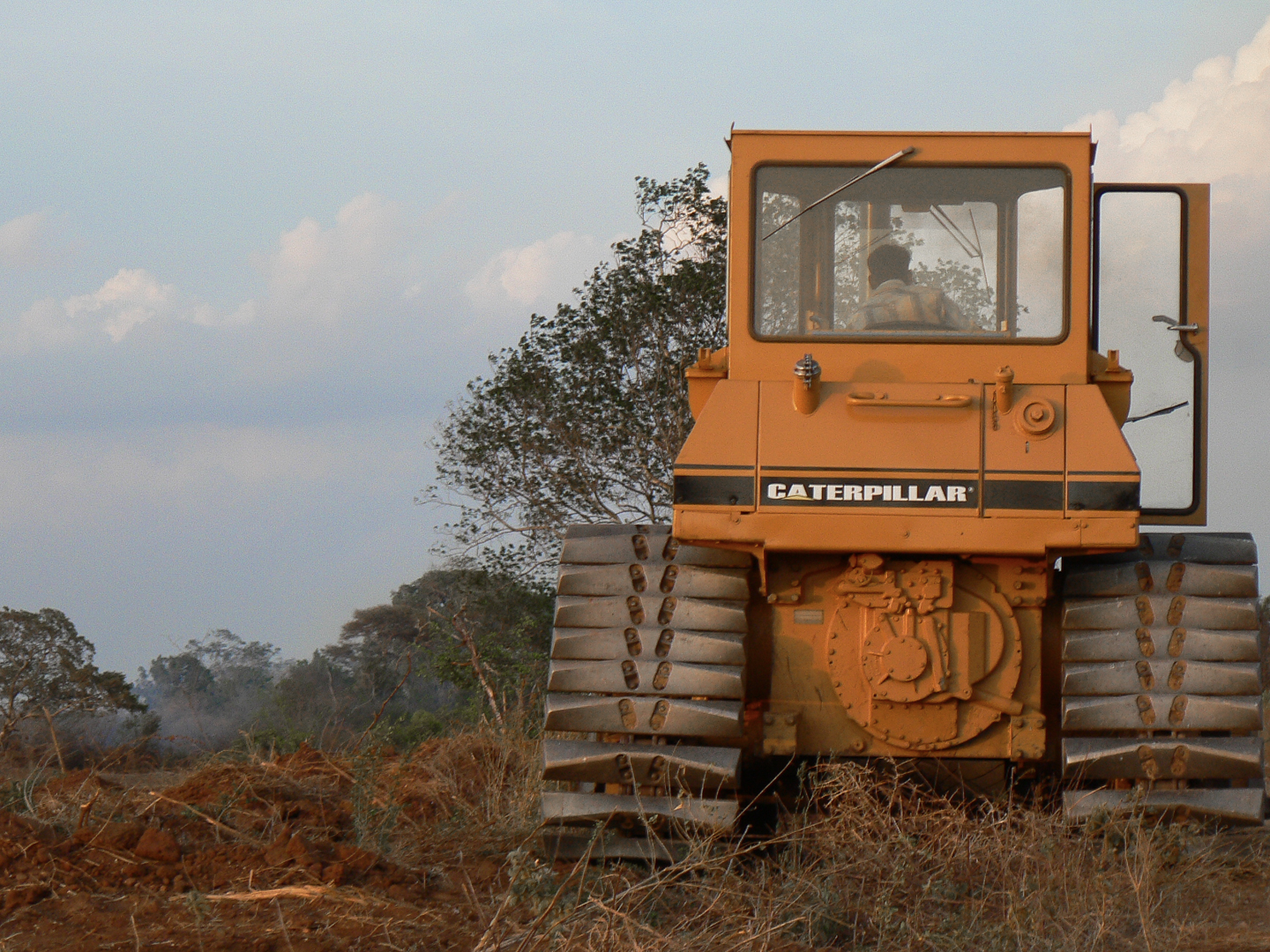
Elephant in fragmented landscape
Target Region
Galgamuwa–Wilpattu Landscape
Partnership
Forest Department of Sri Lanka
Key Sites
Kahalla-Pallekele to Wilpattu
Approach
Science-Based Intervention
Elephant movement corridors

Why Corridors Matter

Research and field evidence show that elephants in this region are not long-distance migrators but instead move within relatively fixed home ranges, repeatedly using the same routes between forest patches, water sources, and feeding grounds.

Several traditional elephant movement pathways linking the Kahalla-Pallekele Sanctuary complex, surrounding forest reserves, and Wilpattu National Park have been identified, many of which now intersect roads, railway lines, and agricultural land.

Degraded plantation landscape

Degraded Landscapes

Much of the landscape earmarked for corridor restoration is currently under degraded or ineffective land use, including former commercial plantations dominated by monoculture species such as teak and khaya.

These plantations provide limited ecological value, are highly vulnerable to elephant damage, and fail to meet either conservation or economic objectives. The loss of diverse native vegetation has reduced the availability of natural forage for elephants.

Ecological Restoration Approach

The proposed corridor project aims to restore and reconnect native forest and grassland habitats, creating functional movement corridors that allow elephants to travel safely between key habitats.

01

Natural Regeneration

Assisted natural regeneration and protection of existing native vegetation to restore ecosystem integrity.

02

Invasive Control

Control of invasive species and enrichment planting using indigenous dry-zone tree and plant species.

03

Water Habitats

Grassland rehabilitation and water-dependent habitats for seasonal forage and drinking resources.

04

Adaptive Management

Monitoring and adaptive management ensuring restoration responds to ecological conditions over time.

Reducing Human-Elephant Conflict

At its core, the corridor initiative is designed to address the root causes of human-elephant conflict, rather than relying on short-term or reactive measures.

Evidence from the region shows that many conflict incidents occur precisely where elephant movement routes overlap with human settlements and infrastructure.

Habitat Connectivity

Restoring continuous habitat to guide elephant movement away from villages

Complementary Measures

Works alongside wildlife underpasses, fencing, and road-based warning systems

Voluntary Movement

A voluntary corridor approach — no forced translocations or drives

Wildlife corridor solution

Engagement & Long-Term Outcomes

Local Participation

Community involvement in restoration activities, maintenance work, and establishment of plant nurseries to supply native seedlings for corridor restoration.

Education & Research

Opportunities for environmental education, ecological research, and carefully managed eco-tourism in restored corridor landscapes.

Shared Benefits

Alternative livelihood options while reinforcing conservation values, delivering tangible benefits for both wildlife and people.

Moving Forward

With Forest Department cooperation confirmed, preliminary groundwork underway, and scientific justification clearly established, SCC is advancing the next phase of this corridor initiative. As mapping and site assessments continue, the project represents a significant step toward landscape-scale conservation planning in Sri Lanka's north-western dry zone.

This initiative recognises the ecological needs of elephants, the realities faced by rural communities, and the urgency of restoring connectivity in a fragmented landscape.

Forest Department Cooperation Confirmed
Preliminary Assessments Underway
Joint Site Visits Conducted