Teeth & Territory
The Crocodile Rescue Initiative
The Crocodile Rescue Initiative
A critical conservation and public safety issue in Sri Lanka
Human-crocodile conflict represents a critical conservation and public safety challenge in Sri Lanka, where two crocodilian species—the Saltwater Crocodile (Crocodylus porosus) and the Mugger Crocodile (Crocodylus palustris)—coexist with densely populated human communities. While humans and crocodiles have shared habitats for centuries in Sri Lanka, particularly in riverine and coastal areas, the intensity and frequency of negative encounters have escalated dramatically over the past two decades. Recent comprehensive studies have documented the severity of human-crocodile conflict across the island. Between 2010 and 2015, researchers recorded 150 crocodile attacks on humans, of which 51 proved fatal (Amarasinghe et al., 2015). Contrary to popular belief that only Saltwater Crocodiles pose significant threats to humans, research demonstrates that both species are responsible for fatal attacks. During this period, Saltwater Crocodiles killed 27 people while Mugger Crocodiles were responsible for 49 human fatalities, challenging the perception that Muggers are less dangerous (Fernando et al., 2017). A five-year survey conducted across 400 locations revealed the widespread distribution of conflict, with 778 sightings of Saltwater Crocodiles recorded at 262 locations.
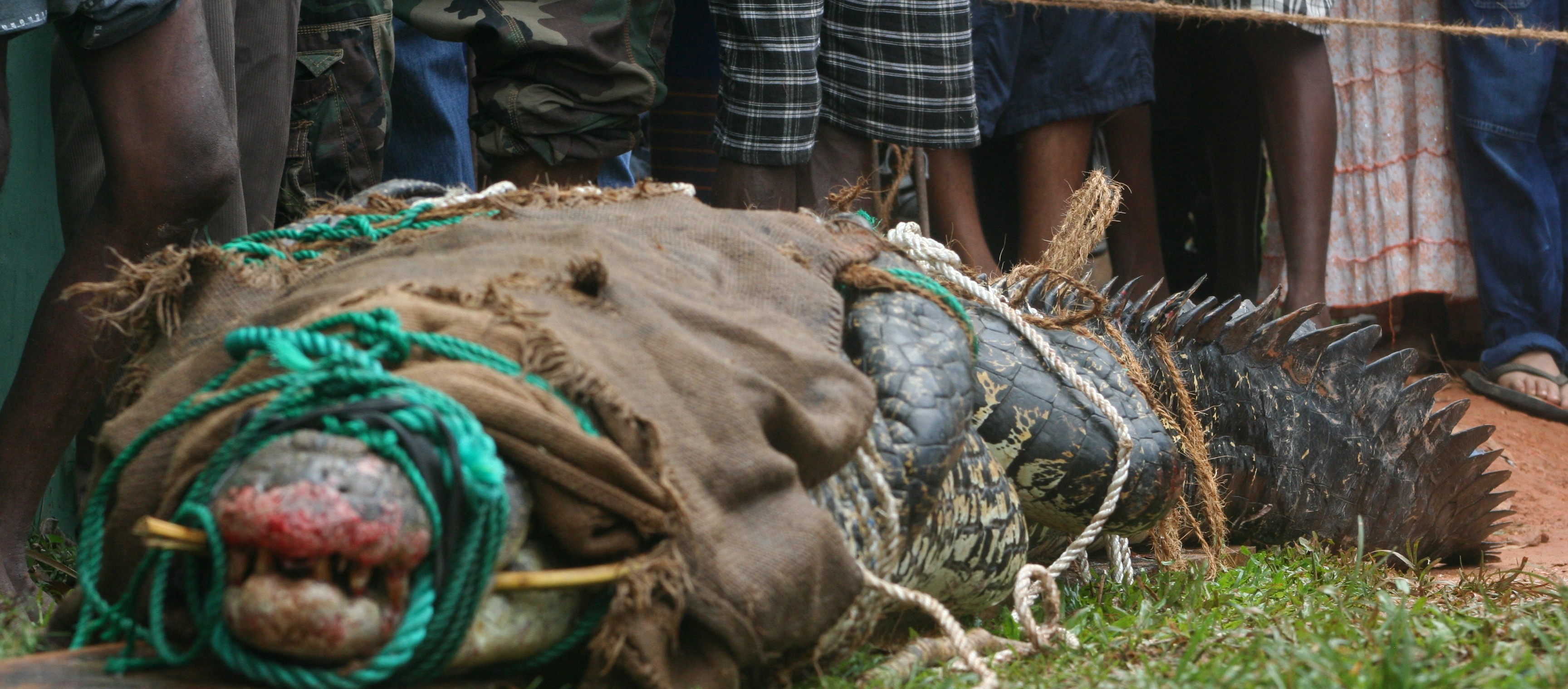
The study estimated the total Saltwater Crocodile population at over 2,000 non-hatchlings, with populations increasing at approximately 5% annually since 1978 (Amarasinghe et al., 2015). Additionally, 33 documented crocodile attacks on humans (8 fatal, 25 non-fatal) and over 50 incidents involving attacks on farm and pet animals underscore the multifaceted nature of the conflict. Specific regions have emerged as conflict hotspots. The Nilwala River area in Matara District exemplifies the escalating tensions, where 26 attacks resulting in 18 human deaths were recorded since 2000, with incidents particularly concentrated during 2005, 2008, 2009, 2012, 2013, 2014, and 2015 (Uluwaduge et al., 2018). These attacks prompted retaliatory killings of crocodiles by local communities, further complicating conservation efforts. Analysis of attack patterns reveals that approximately 77% of victims were male, with attacks predominantly occurring during everyday activities essential to rural livelihoods. The majority of incidents (60%) transpired in shallow water or in close proximity to crocodile-inhabited waters during activities such as bathing, washing clothes, swimming, collecting grass in marshy lands, and fishing (Amarasinghe et al., 2015). This pattern highlights the vulnerability of communities dependent on water resources for their daily subsistence. The human-crocodile conflict in Sri Lanka presents a conservation paradox. While crocodile populations face threats including habitat destruction, illegal killing for meat and skins, egg harvesting, and urbanization-related mortality, the species' recovery has inadvertently intensified human-wildlife conflict. Understanding and mitigating this conflict while ensuring both human safety and crocodile conservation remains a critical challenge for wildlife managers and policymakers in contemporary Sri Lanka.
Highly trained staff utilizing specialized equipment and protocols that prioritize both handler safety and animal welfare.
Understanding crocodile body language, stress indicators, and behavioral patterns to anticipate and manage potentially dangerous situations.
Specialized in rescue operations, relocation of human-wildlife conflict animals, and rehabilitation programs.
Active training programs for wildlife officers, transferring critical knowledge and practical skills in crocodile handling.
The Species Conservation Centre demonstrates exceptional expertise and specialization in crocodile handling, encompassing comprehensive knowledge of crocodilian behavior, biology, and welfare management. The centre maintains expertise in species identification, habitat assessment, and conservation programs. They employ advanced handling methods such as safe immobilization, morphometric measurements, and tagging procedures for research and monitoring purposes. This multifaceted expertise positions the Species Conservation Centre as a vital resource for crocodile conservation, capacity building, and human-wildlife coexistence initiatives.
Areas with highest human-crocodile encounters
The Nilwala River area in Matara District exemplifies the escalating tensions, where 26 attacks resulting in 18 human deaths were recorded since 2000, with incidents particularly concentrated during 2005, 2008, 2009, 2012, 2013, 2014, and 2015 (Uluwaduge et al., 2018). These attacks prompted retaliatory killings of crocodiles by local communities, further complicating conservation efforts.
The morning of April 6, 2012, shattered the peace of Malimbada village in Akuressa when an 18-year-old schoolgirl approached the Nilwala River to wash her face before starting her day. Without warning, a massive saltwater crocodile (Crocodylus porosus) lunged from the murky waters and clamped its powerful jaws around her, dragging her into the river. Her mother, hearing the screams, rushed to the riverbank and desperately tried to pull her daughter from the crocodile's grip, but the prehistoric predator's strength proved overwhelming. The crocodile disappeared beneath the surface, taking the young girl with it.
The tragedy sent shockwaves through the community, especially since it occurred just days after another fatal attack in the same area, where a mother of three had been killed. The Nilwala River, once a source of life and livelihood for local residents, had become a place of terror. Panic gripped the villages along the riverbank as people realized a large man-eating crocodile was actively hunting in their waters. The consecutive attacks demanded immediate action.
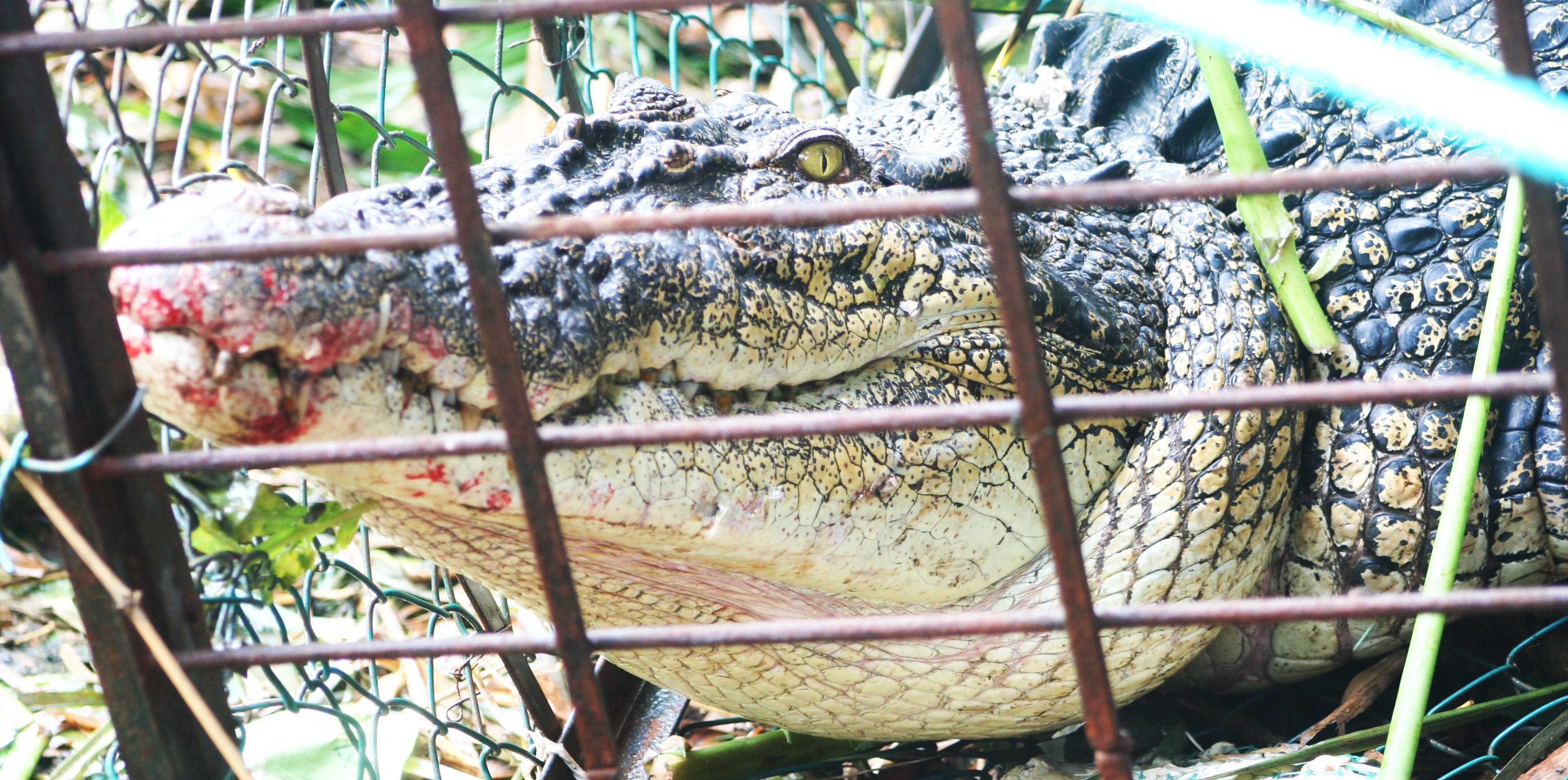
The Species Conservation Centre (SCC) received urgent calls from terrified villagers and local authorities. Understanding the gravity of the situation, the SCC immediately mobilized its specialized rescue team in collaboration with the Department of Wildlife Conservation. This was no ordinary rescue mission—they were hunting a confirmed man-eater, a four-meter-long saltwater crocodile that had claimed multiple human lives.
The operation began with a multi-day reconnaissance mission. The massive crocodile had become elusive, likely aware of the increased human activity following the attacks. Team members interviewed local residents, gathering crucial intelligence about the crocodile's movements, preferred basking sites, and hunting patterns.
For several days, the team maintained vigilant surveillance along the river, particularly focusing on areas where the attacks had occurred and where the crocodile had been previously sighted. They strategically positioned observation points and set up specialized traps designed to capture large saltwater crocodiles without causing injury. The operation required patience, expertise, and an intimate understanding of crocodile behavior.
After days of careful observation and strategic planning, the rescue team successfully located and captured the enormous 12-foot crocodile. Using professional capture techniques and specialized restraint equipment, they secured the dangerous animal while ensuring both human safety and the crocodile's welfare. The massive size of the predator confirmed it was capable of taking adult humans as prey.
Following capture, the crocodile was carefully transported under controlled conditions to Yala National Park, a protected wilderness area with suitable habitat and minimal human presence. The relocation removed the immediate threat to the Malimbada community while preserving this ecologically important apex predator. The successful operation demonstrated that human-crocodile conflict could be resolved through professional intervention rather than retaliatory killing, though it came at a tragic cost to the families who had lost loved ones to this formidable creature.
Real stories of human-crocodile conflict resolution
In 2011, the Species Conservation Centre received an urgent call from a group of concerned villagers reporting a large crocodile in a narrow canal located dangerously close to their settlement. The area was highly urbanized, with local residents regularly using the stream and surrounding areas for cultivation and dairy farming activities. The presence of the crocodile posed a significant threat to both human safety and the animal's welfare, necessitating immediate intervention.
Upon receiving the distress call, the Species Conservation Centre immediately mobilized its specialized rescue team. Working in close collaboration with officers from the Department of Wildlife Conservation, the joint team conducted a carefully planned rescue mission. The operation required meticulous coordination due to the confined space of the canal and the proximity to residential areas.
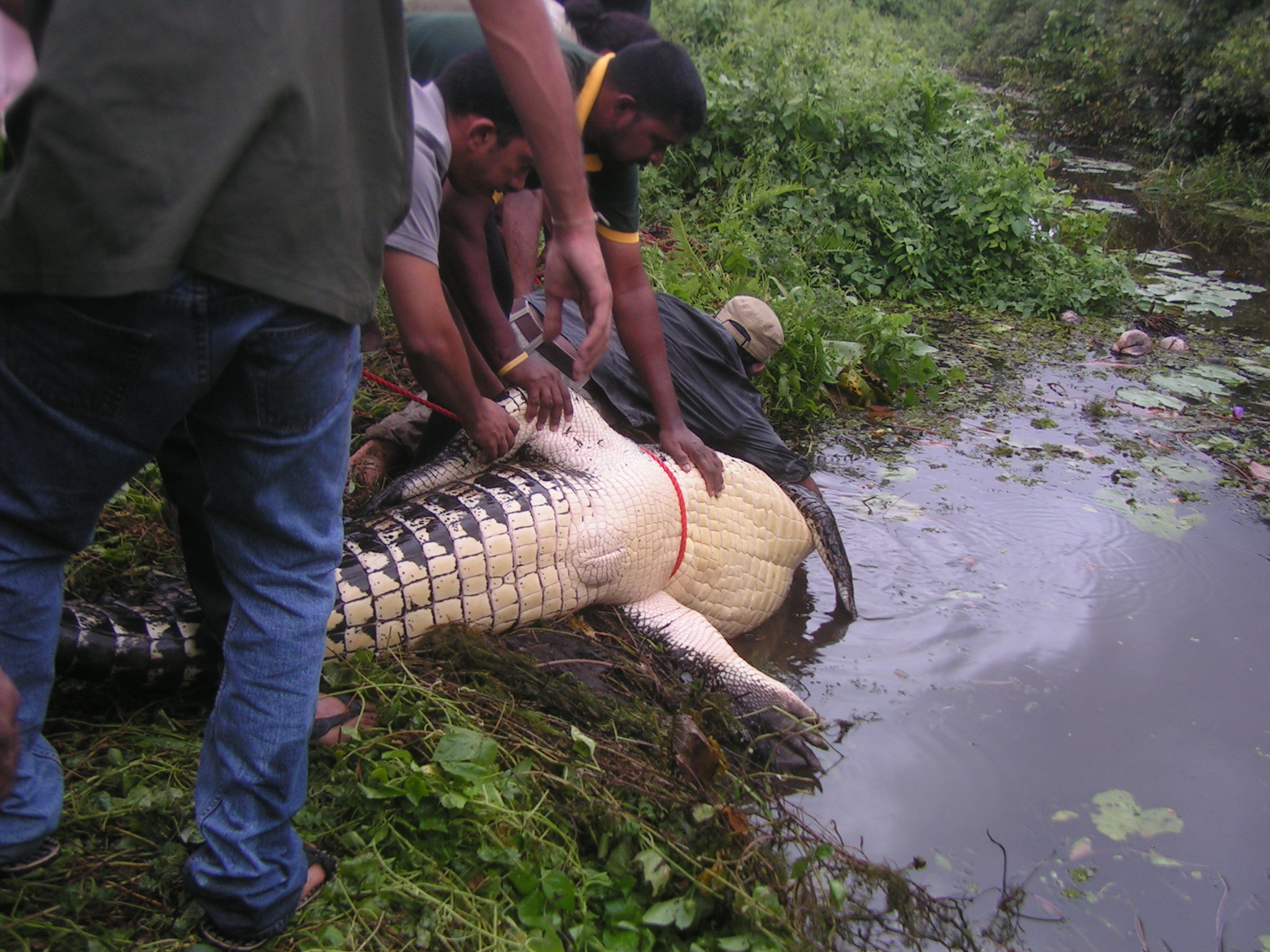
The rescue team employed professional wildlife capture techniques to safely secure the crocodile without causing harm to the animal or endangering nearby residents. After successfully capturing the animal, the team conducted a preliminary health assessment to ensure the crocodile was in suitable condition for translocation.
Following the successful capture, the crocodile was carefully transported to a predetermined safe location. The release site was selected based on several critical criteria, including adequate habitat, sufficient food resources, low human population density, and minimal risk of human-crocodile conflict. The animal was released into its new environment where it could thrive without posing a threat to human communities.
On November 6, 2009, a group of fishermen in Bolgoda Lake captured a large saltwater crocodile (Crocodylus porosus) that had repeatedly attempted to attack their fishing boats. The aggressive behavior of this massive reptile posed a serious threat to the fishing community who relied on the lake for their livelihoods.
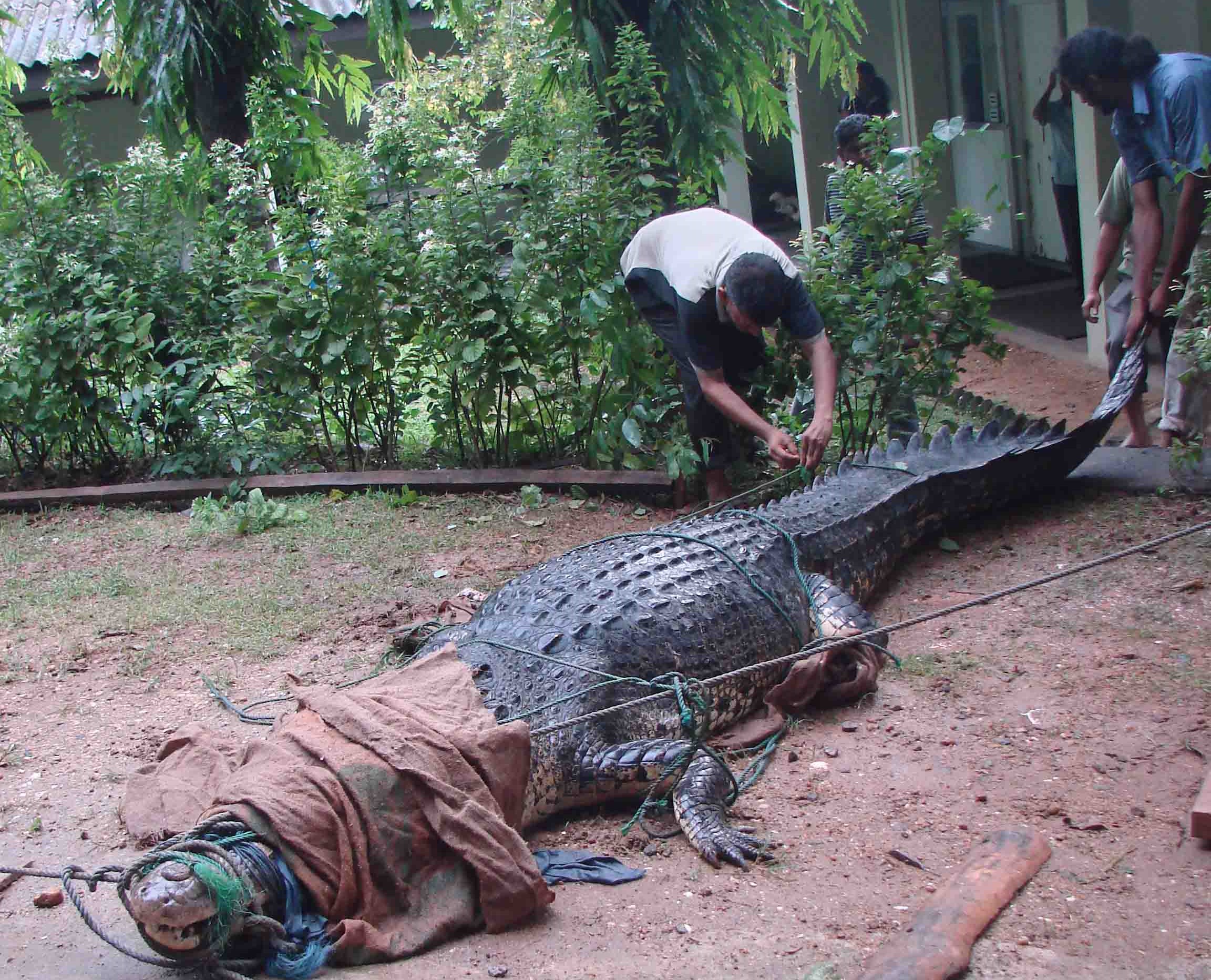
To mitigate the risk while preserving the protected species, the fishermen constructed a specialized trap and successfully captured the crocodile alive. They immediately notified authorities about the dangerous situation, demonstrating both their concern for safety and respect for wildlife conservation laws.
The Species Conservation Centre (SCC) rescue team promptly responded to the scene and took custody of the giant crocodile. Using specialized equipment and expertise in handling large reptiles, the team safely extracted and transported the animal to the SCC facility. The crocodile underwent comprehensive health assessments and received appropriate care during its temporary holding period.
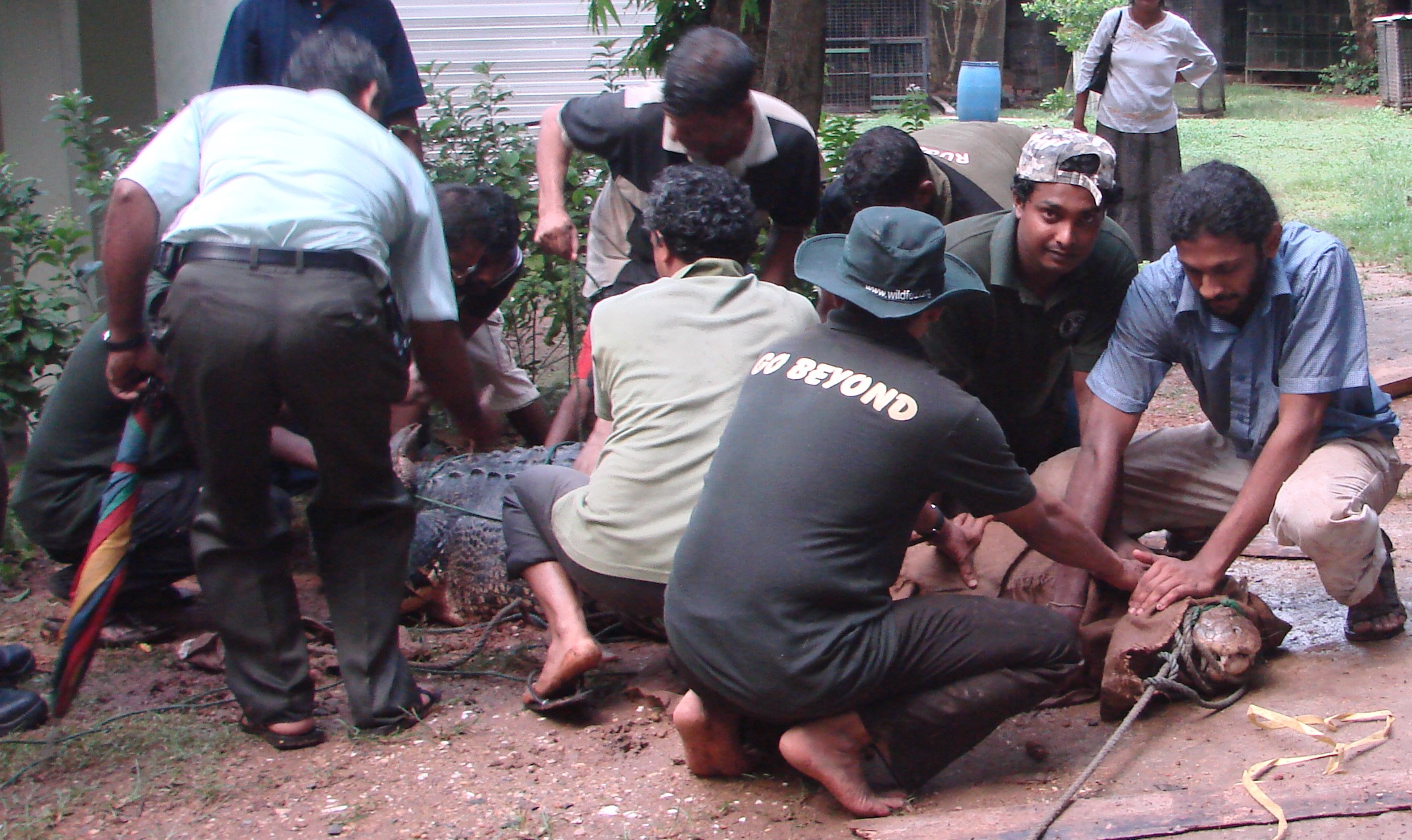
In collaboration with the Department of Wildlife Conservation, the rescue team coordinated the crocodile's release to Bundala National Park. This internationally recognized wetland sanctuary on Sri Lanka's southern coast provided ideal habitat conditions with minimal human-wildlife conflict potential. The park's protected status, abundant prey resources, and suitable aquatic ecosystems made it an optimal relocation site.
Galle Face Green in Colombo is one of Sri Lanka's most iconic urban beachfront locations, popular among both Sri Lankan residents and foreign visitors. This scenic sandy beach stretches along the Indian Ocean coastline in the heart of the capital city, attracting thousands of visitors daily who enjoy recreational activities, evening strolls, and the refreshing sea breeze. The unexpected appearance of a large saltwater crocodile (Crocodylus porosus) in this heavily populated urban beach created an unprecedented public safety emergency.
For nearly two weeks, a large saltwater crocodile had been stranded on Galle Face beach without access to freshwater canals or nearby streams. The animal's presence in the open ocean environment was highly unusual, as saltwater crocodiles typically inhabit estuaries, lagoons, and river mouths rather than open beaches. The crocodile's predicament raised serious concerns about both public safety and the animal's welfare, as it remained exposed to the elements without access to suitable habitat or adequate food sources.
On March 24, 2016, a joint rescue team comprising personnel from the Species Conservation Centre (SCC) and the Department of Wildlife Conservation initiated a complex rescue mission to capture and relocate the distressed crocodile. The operation presented unique challenges, as capturing a crocodile swimming in the open sea required specialized techniques and equipment not typically employed in freshwater or land-based rescues.
The rescue team worked patiently to corner the crocodile and guide it closer to land where safe capture could be attempted. This process required considerable time and expertise, as the animal was understandably stressed and defensive. Using coordinated efforts and specialized capture equipment, the team successfully maneuvered the crocodile into a position where it could be safely secured without causing additional harm to the already compromised animal.
Upon capture, veterinary examination revealed that the animal was suffering from dehydration and significant stress resulting from its prolonged exposure to unsuitable conditions. Despite being a saltwater species, crocodiles require access to freshwater for proper hydration and thermoregulation. The extended period on the beach without adequate shelter or water sources had taken a considerable toll on the animal's health.
Given the crocodile's compromised condition, the rescue team made the prudent decision to keep the animal under close observation for several days under the supervision of the Department of Wildlife Conservation's veterinary section. The crocodile received supportive care including rehydration therapy, nutritional support, and monitoring of vital signs to ensure full recovery before release. After three days of intensive observation and treatment, veterinary staff determined that the animal had recovered sufficiently and was fit for translocation to a suitable natural habitat in a national park, where it could resume normal behaviors in an environment conducive to its long-term survival.
Villagers in Kelaniya Wanawasala reported a large saltwater crocodile (Crocodylus porosus) roaming the marshlands near human habitats and attacking dogs in the area. The escalating threat prompted urgent intervention from the Species Conservation Centre (SCC) rescue team and wildlife officials.
The rescue team conducted several field visits to locate the elusive crocodile, but initial attempts proved unsuccessful due to the animal's ability to move through dense marshland vegetation and waterways. Understanding the urgency of the situation and the limitations of conventional search methods, the team adopted a strategic approach by collaborating closely with local villagers who possessed intimate knowledge of the terrain and the crocodile's movement patterns.
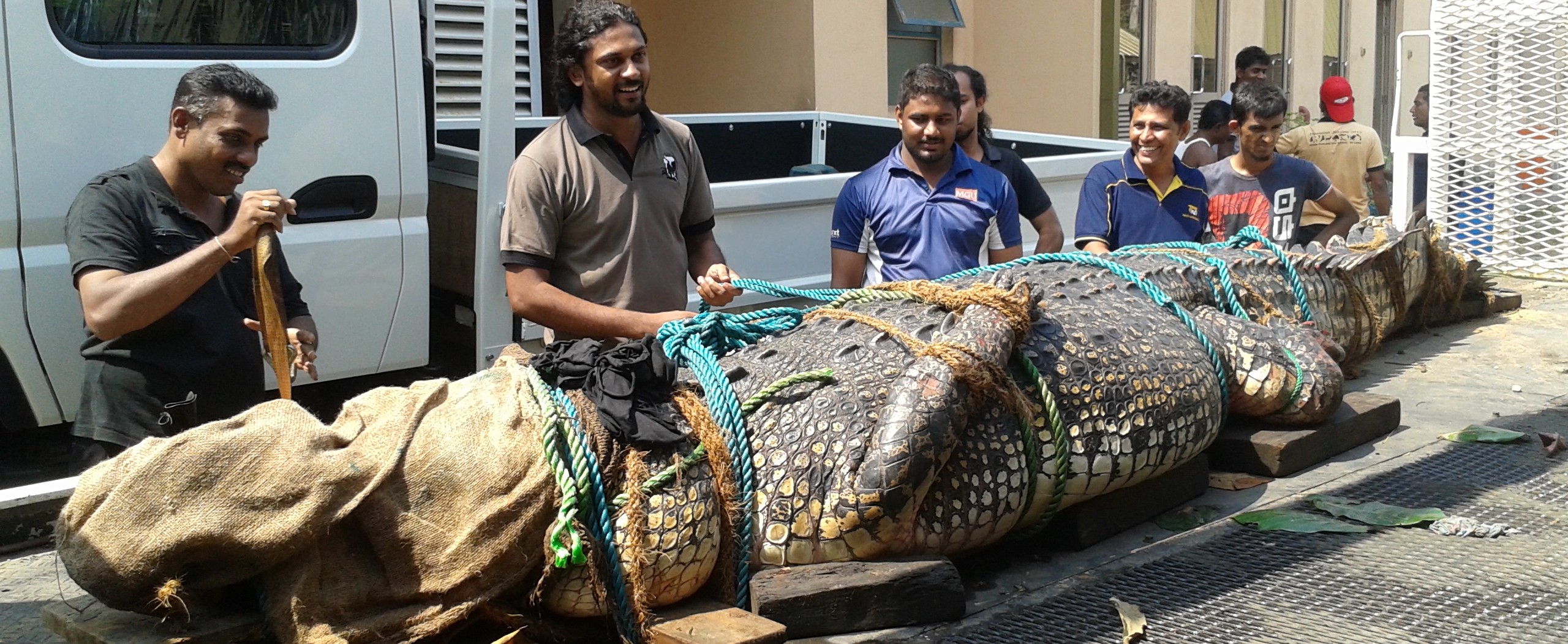
With the villagers' assistance, the rescue team strategically positioned several traps in locations where the crocodile was most likely to travel. This community-based approach proved successful, and the large saltwater crocodile was eventually captured on February 11, 2014. The animal was safely relocated to a protected habitat away from human settlements, resolving the conflict while preserving this ecologically important species.
In late January 2012, Sebastian Angelo Uday Kumara, 36, went missing near the Meda marsh in Ragama town. He was believed to have been killed by a large saltwater crocodile (Crocodylus porosus) inhabiting the marsh. Following this suspected attack, local residents captured a massive 15-foot crocodile using a chicken embedded with a large four-inch anchor-shaped hook as bait. The injured crocodile, having swallowed the hook two to three days earlier, was subjected to severe mistreatment by hundreds of onlookers who trussed it tightly, dragged it around, and struck it on the head with an axe, causing significant trauma. The incident highlighted the escalating human-crocodile conflict as urban development increasingly encroached upon natural crocodile habitats, prompting environmentalists to call for warning boards in crocodile-prone areas and better conflict mitigation strategies.
Upon learning of the captured crocodile, the Species Conservation Centre coordinated with the Department of Wildlife Conservation to mount an urgent rescue operation. Under the direction of Dr. Tharaka Prasad from the Wildlife Department, officials carefully transported the severely injured animal to the National Zoological Gardens at Dehiwala on Wednesday night. A specialized veterinary team, including Zoo veterinary surgeons and Dr. D.S. Kodikara, stood ready to perform emergency surgery to remove the deeply embedded hook that had severely damaged the crocodile's esophagus and surrounding tissue.
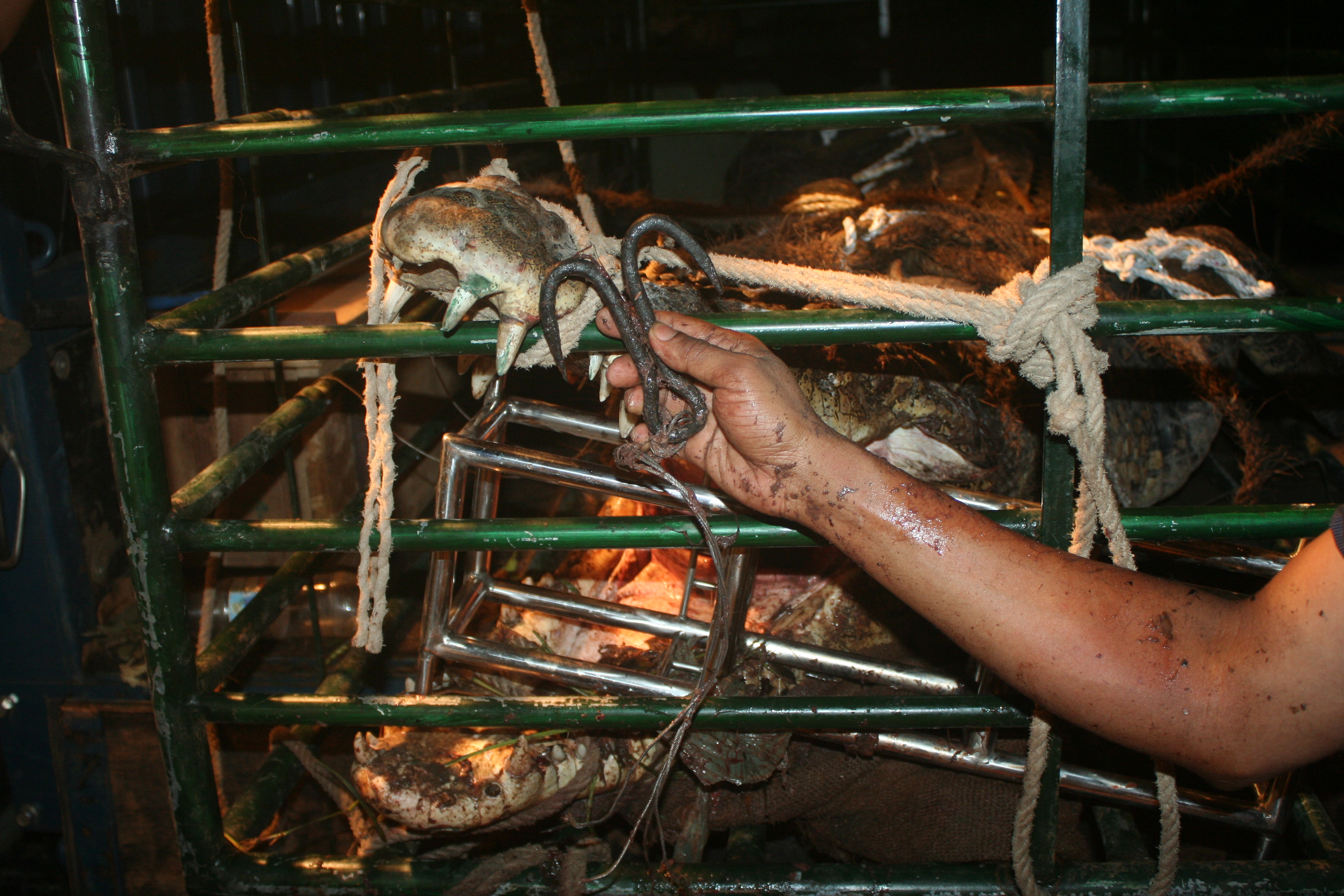
On November 24, 2014, a group of fishermen operating in Bolgoda Lake, Piliyandala, accidentally captured a large crocodile using a fishing hook. The massive reptile had swallowed the large hook, which became lodged in its mouth, trapping the animal in distress. Recognizing the dangerous situation and understanding that the crocodile was a protected species, the concerned villagers immediately contacted the Species Conservation Centre (SCC) for professional assistance rather than attempting to handle the situation themselves.
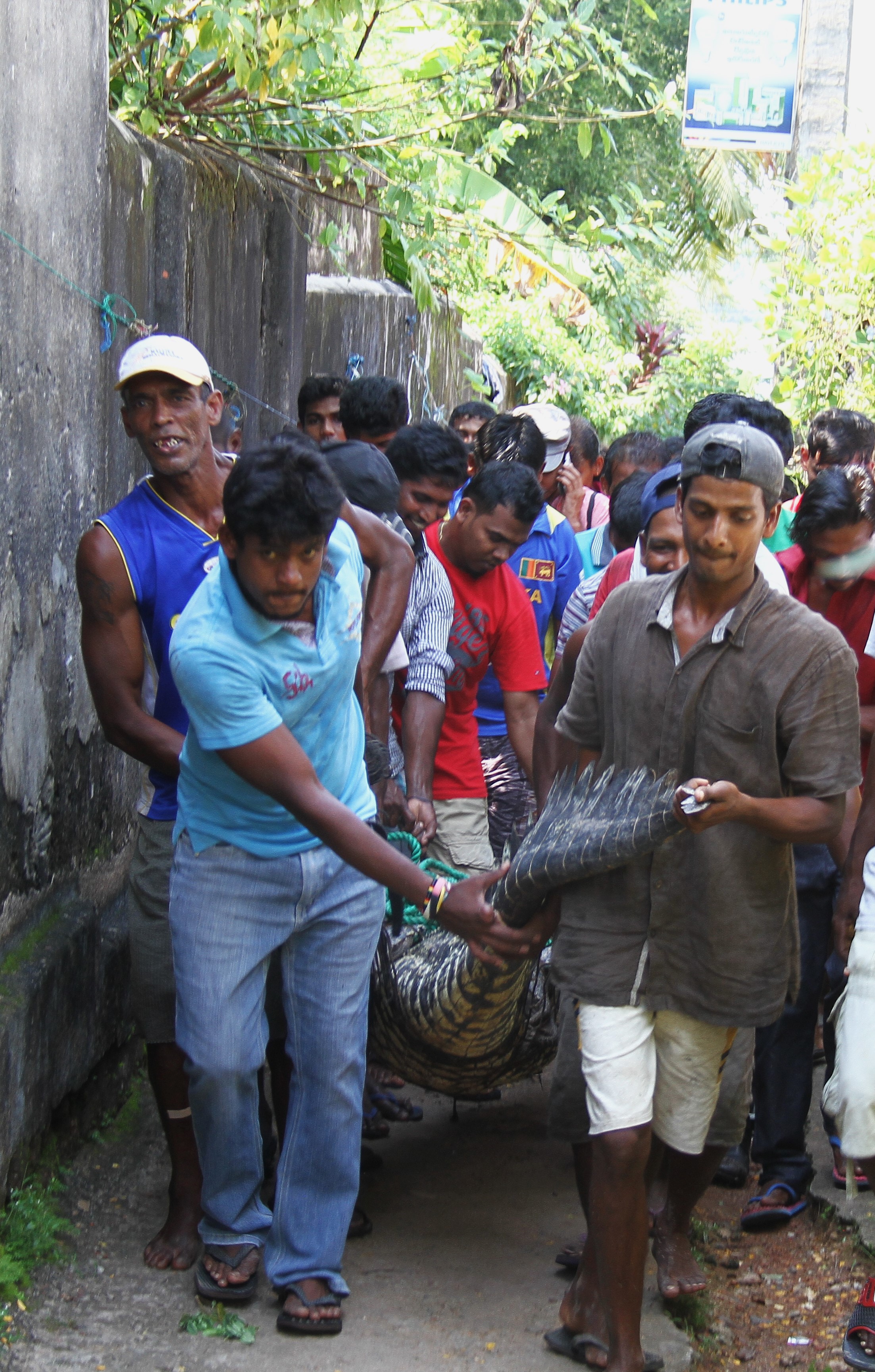
The SCC rescue team responded promptly to the emergency call and, in coordination with the Department of Wildlife Conservation, carefully transported the trapped crocodile to the Wildlife Department headquarters. The animal was clearly in distress, with the fishing hook deeply embedded in its mouth, causing significant pain and preventing it from feeding properly.
The rescue team struggled to remove the hook through conventional methods due to its deep penetration and the animal's size and strength. A surgical procedure was performed to safely extract the embedded hook. Despite the team's expertise and careful surgical intervention, they successfully removed the hook, but the procedure revealed extensive internal damage.