— Field Conservation —

Yan Oya Animal Rescue

A historic mission to save Sri Lanka's wildlife from the rising reservoir

Discover the Mission
Sri Lanka's Northern Dry Zone

The Yan Oya Reservoir

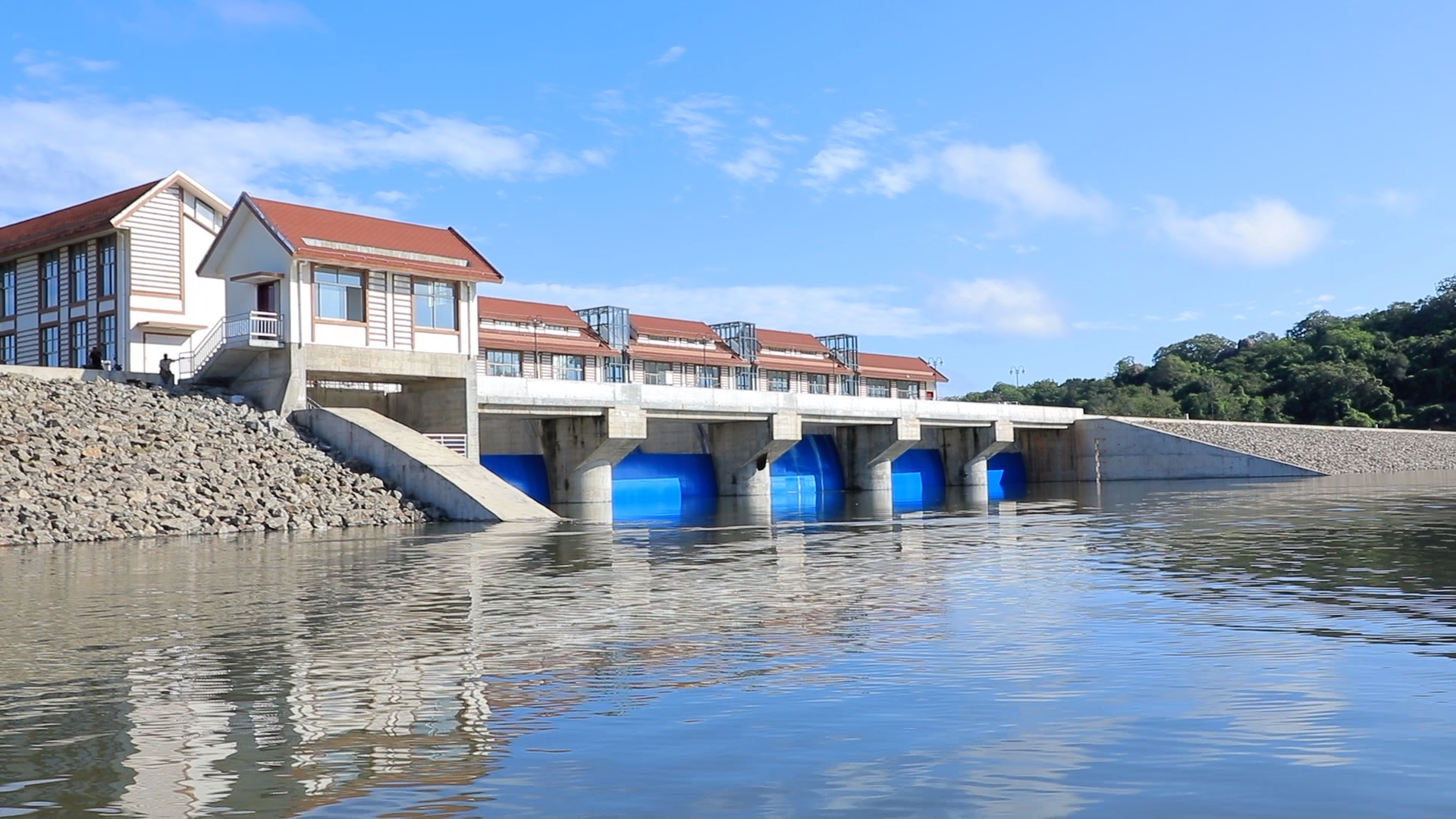
The Yan Oya Reservoir, also referred to as the Lower Yan Oya Reservoir Project, is one of Sri Lanka's most significant large-scale irrigation and water supply infrastructure developments in recent decades. The Yan Oya river is a seasonal low-order river approximately 142 kilometres in length — the fifth longest river in Sri Lanka.

It originates in the hilly areas of Dambulla and Sigiriya and flows through the northeastern dry zone region of the country. The river basin has a catchment area of approximately 1,538 km². The main objective of building a dam across the Yan Oya River was to cater to the drinking water needs of people in the Eastern Province. The project was launched in 2012 and completed in 2019.

The project came with significant human costs. A total of 14 villages were identified as being at risk of destruction, and approximately 4,315 acres of paddy fields were submerged. A total of 257 families displaced by the project received highlands to build homes, while 147 families in the Trincomalee District were also displaced.
142 km River Length
1,538 km² Catchment Area
2012–2019 Construction Period
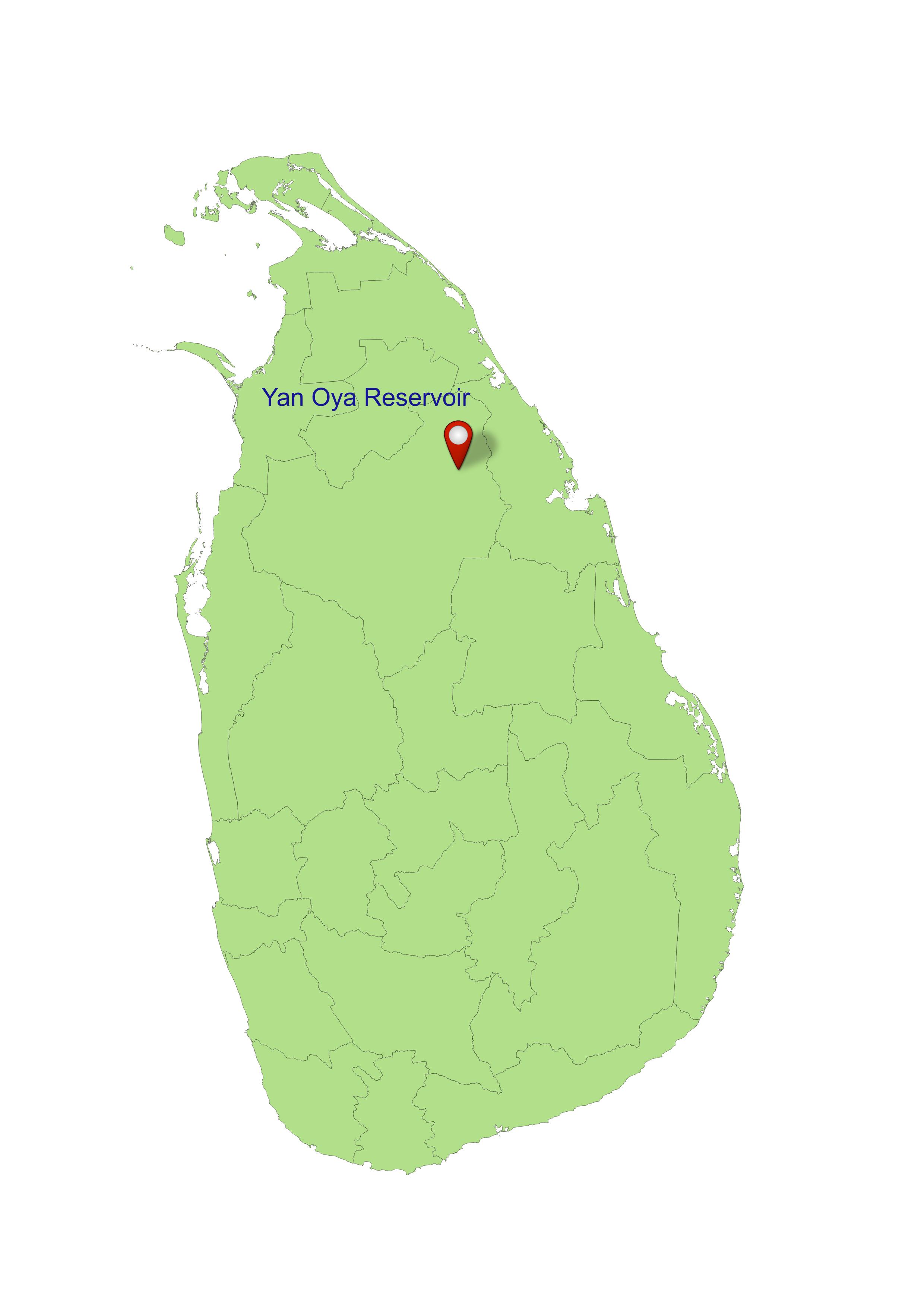
Yan Oya Location Map
Yan Oya Basin, Sri Lanka
Ecological Footprint

A Vital Ecosystem at Risk

The project area lies within the "Dry and Arid Lowlands" floristic region. Major natural vegetation formations include dry-mixed evergreen forest, rock outcrop vegetation, scrublands, and riverine forests. An extent of 1,438 ha of undisturbed dry-mixed evergreen forest was inundated by the reservoir.

0
Plant Species Recorded
13 endemic · 167 indigenous · 7 introduced
0
Faunal Species Recorded
Mammals · Birds · Reptiles · Amphibians
0
Hectares of Forest Inundated
Undisturbed dry-mixed evergreen forest
0
Nationally Threatened Species
8 plants · 13 faunal species listed as threatened

The faunal assemblage included 16 endemic species and 5 proposed endemic bird species. Furthermore, 23 Nationally Near Threatened species were recorded, along with 5 Globally Threatened and 8 Globally Near Threatened species making this one of Sri Lanka's most ecologically significant, and most impacted, landscapes.

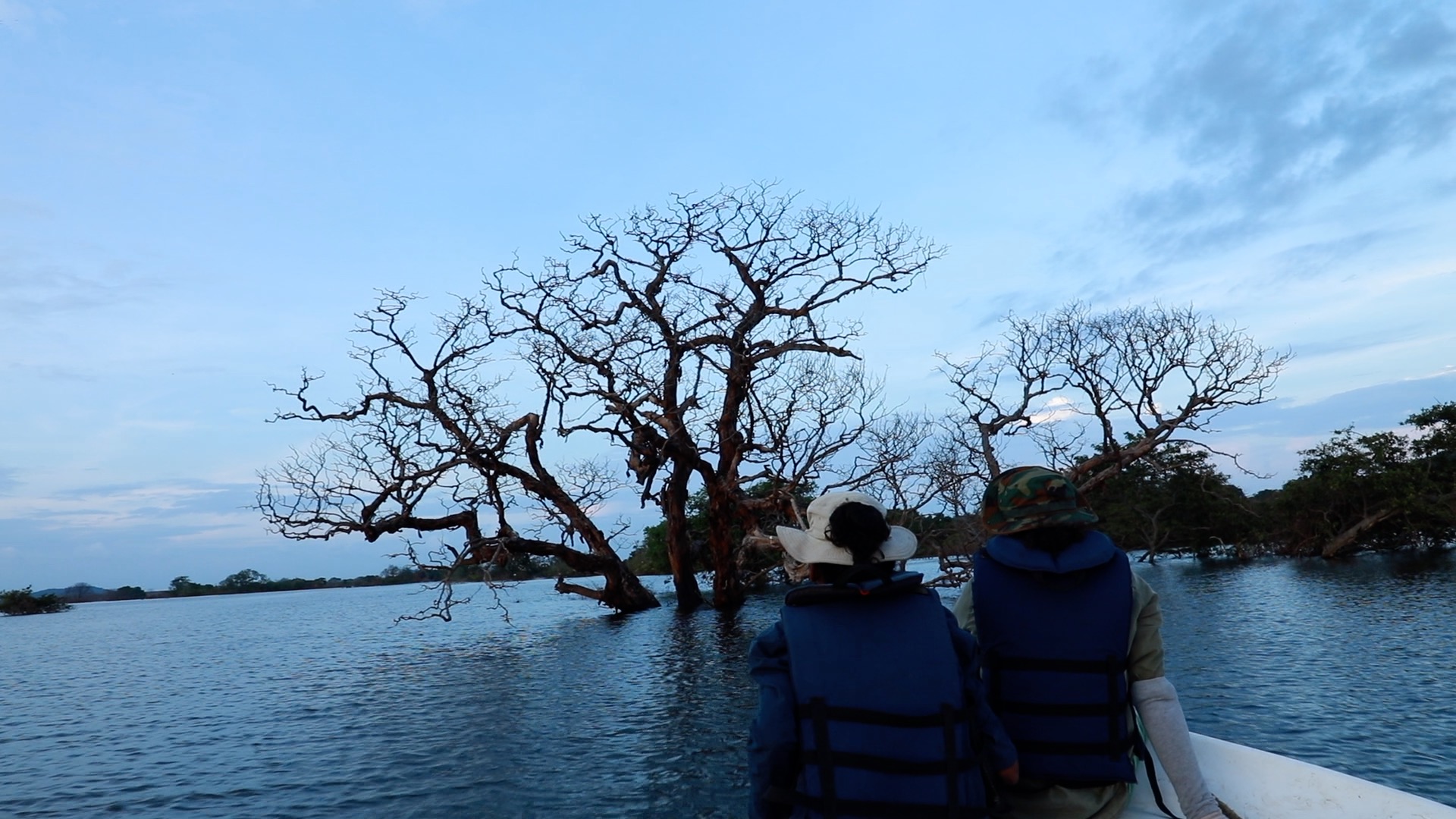
Rising waters at Yan Oya
The Crisis

Wildlife Facing Extinction

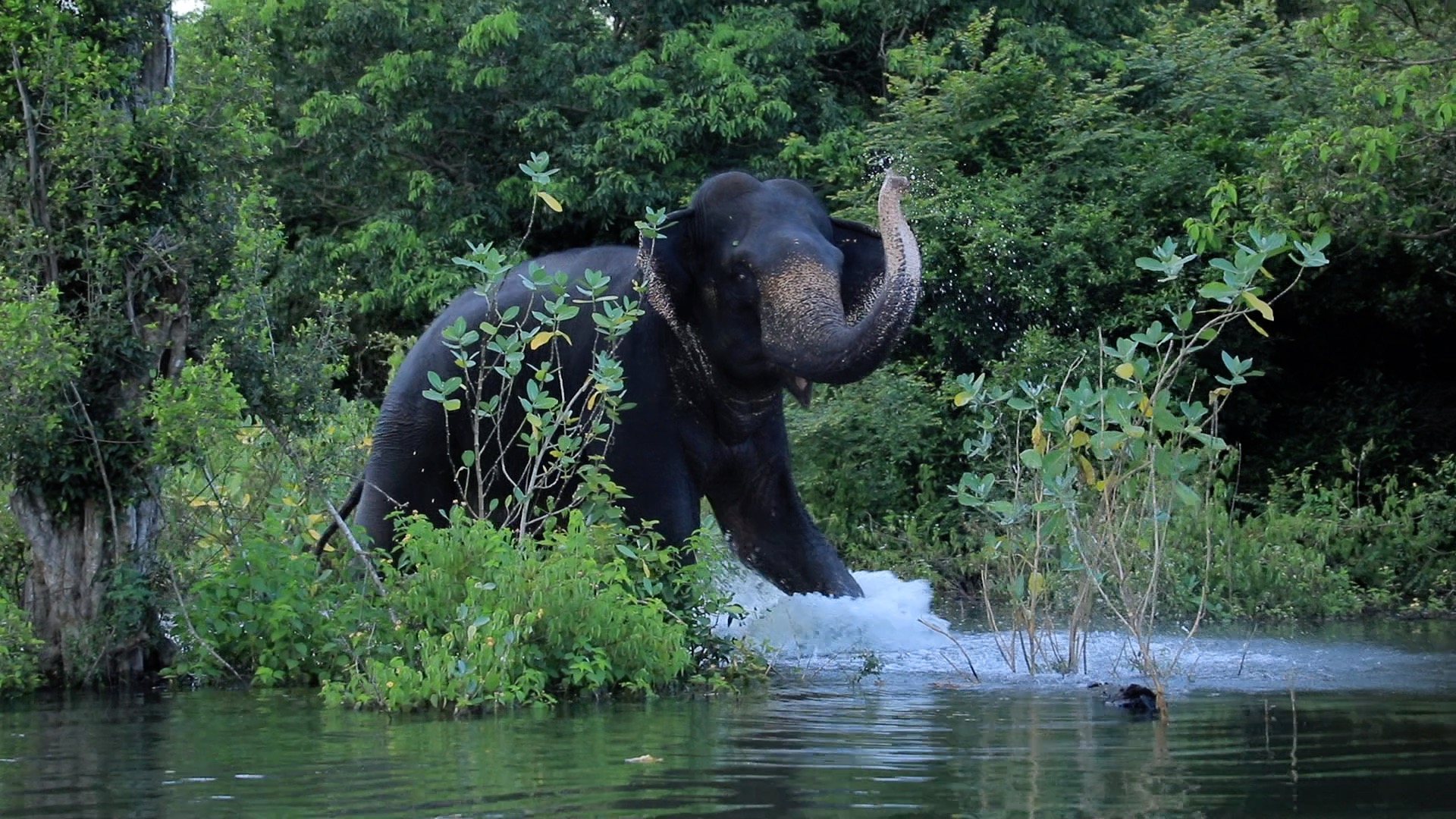
An uncountable number of wildlife both large and small confined within the project area were under immediate threat. With a total of 2,235.83 hectares of land, including 1,438 ha of forest, being inundated, almost all of these animals would have been trapped, displaced, and lost forever as water levels continued to rise.

This catastrophic scenario demanded an urgent, coordinated response. Without intervention, thousands of animals from primates to reptiles would have drowned or been permanently displaced from their natural habitats.

Wildlife Conservation

The Rescue Mission

The Species Conservation Centre (SCC) was entrusted with the task of rescuing and releasing wildlife from the Yan Oya Irrigation Project area. Collaborating with key government agencies, SCC led a 20-day emergency rescue operation that became one of the most remarkable conservation missions in Sri Lanka's history.

Mission Mandate

The Species Conservation Centre was given the official task of rescue and release of wildlife in the Yan Oya Irrigation Project area as a mitigatory measure during the reservoir inundation period.

01
02

Multi-Agency Collaboration

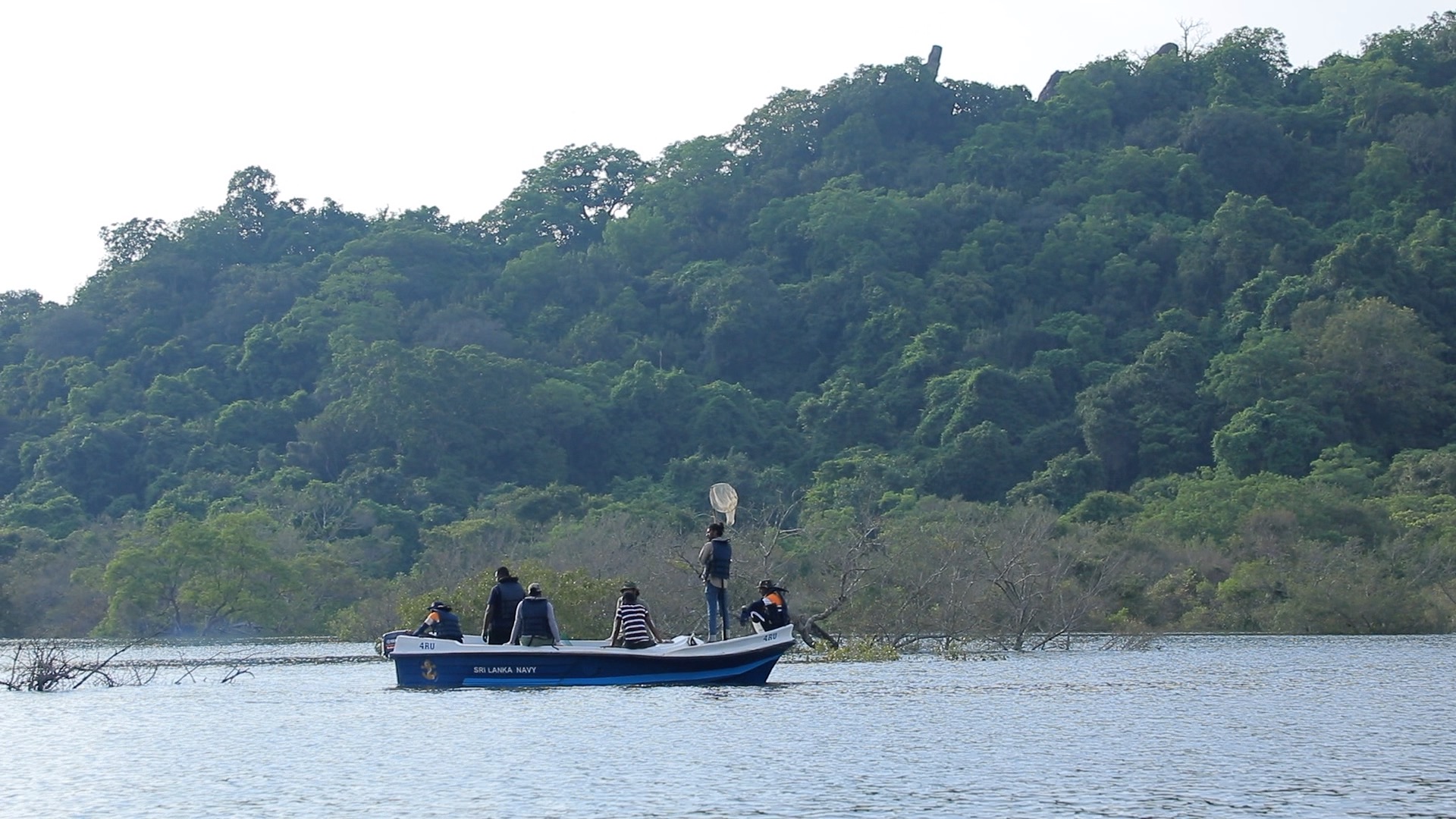
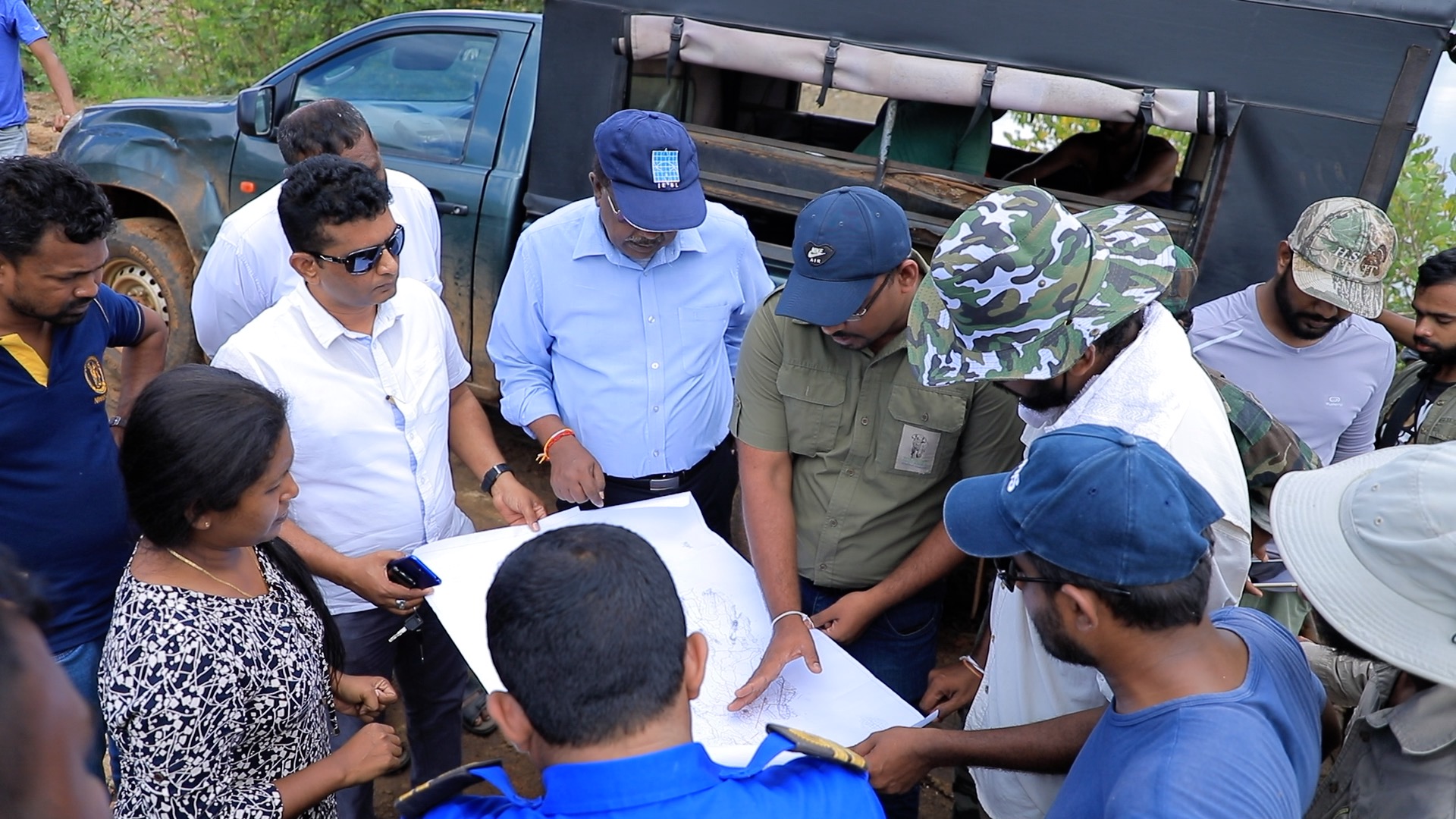
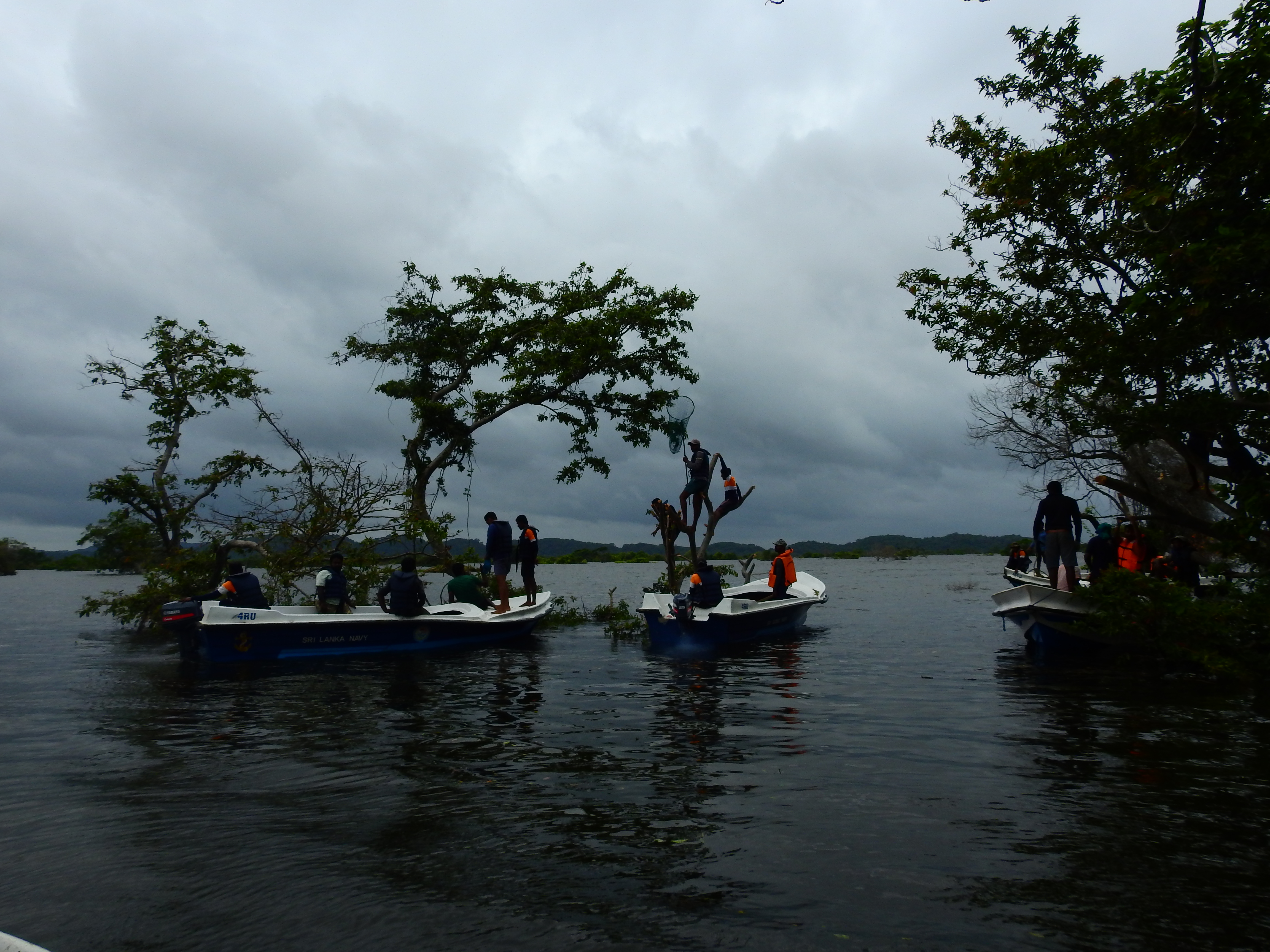
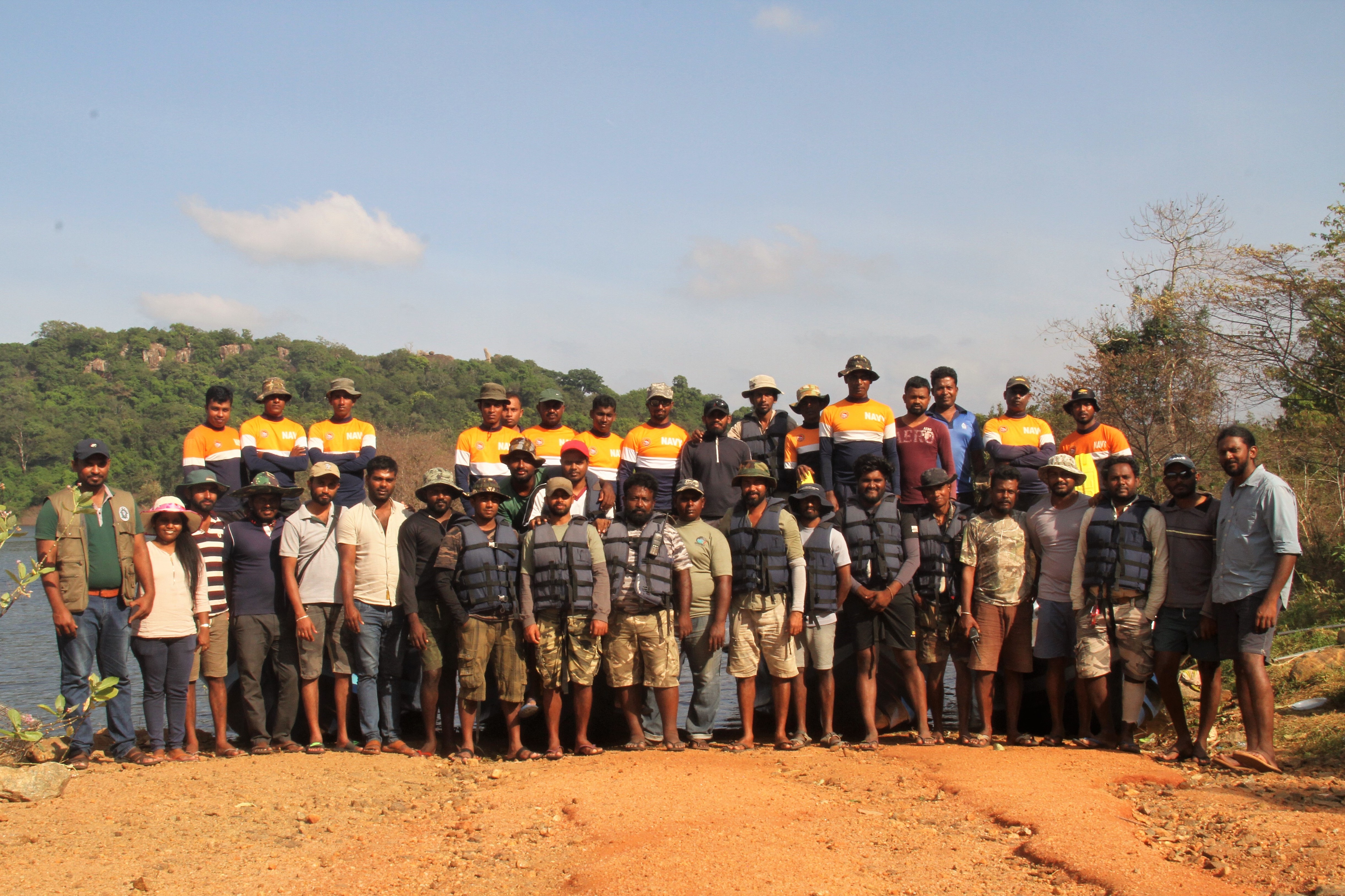
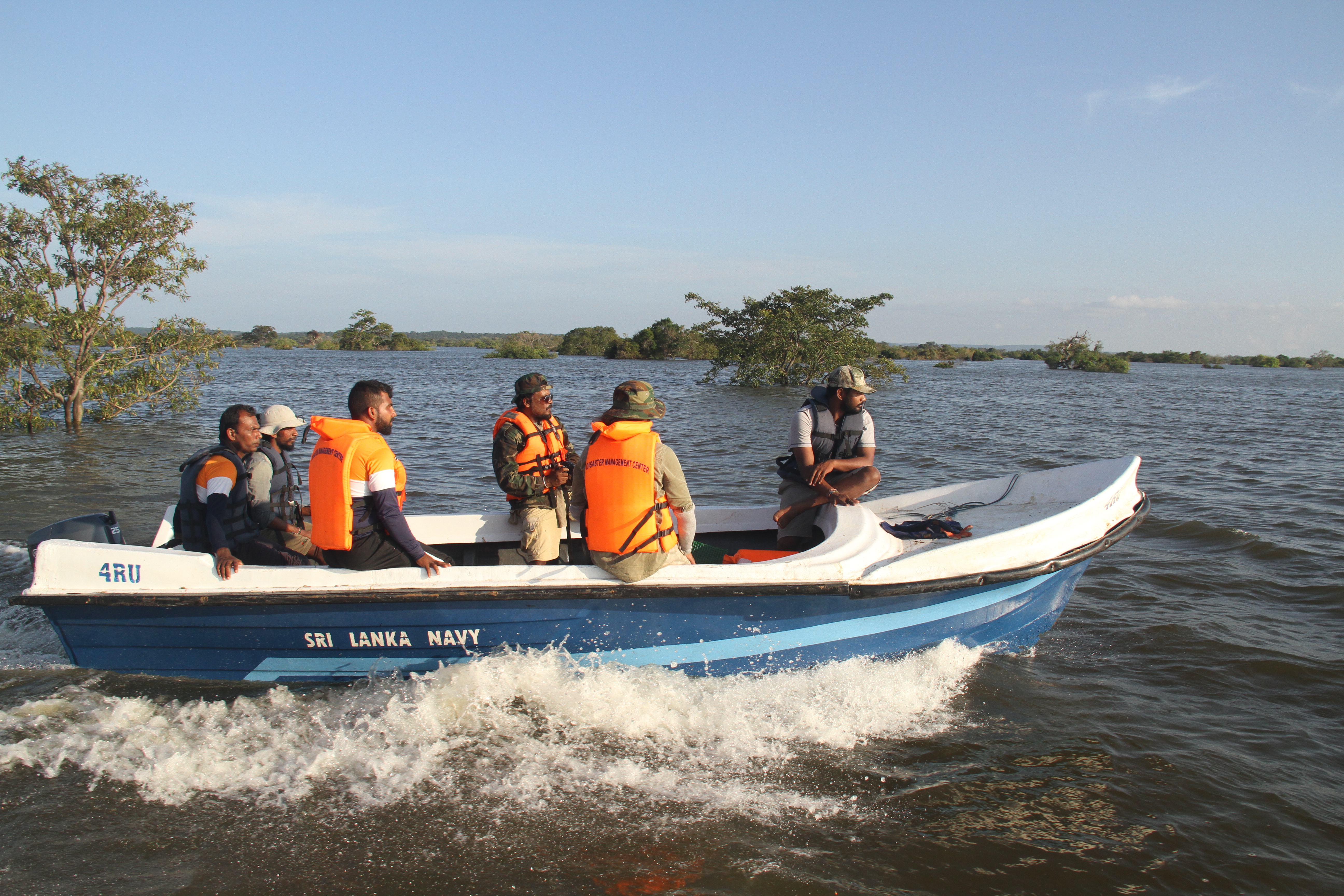
SCC partnered with the Department of Wildlife Conservation, the Sri Lanka Navy, and the Irrigation Department to coordinate a comprehensive rescue and release operation across the entire inundation zone.

20-Day Field Operation

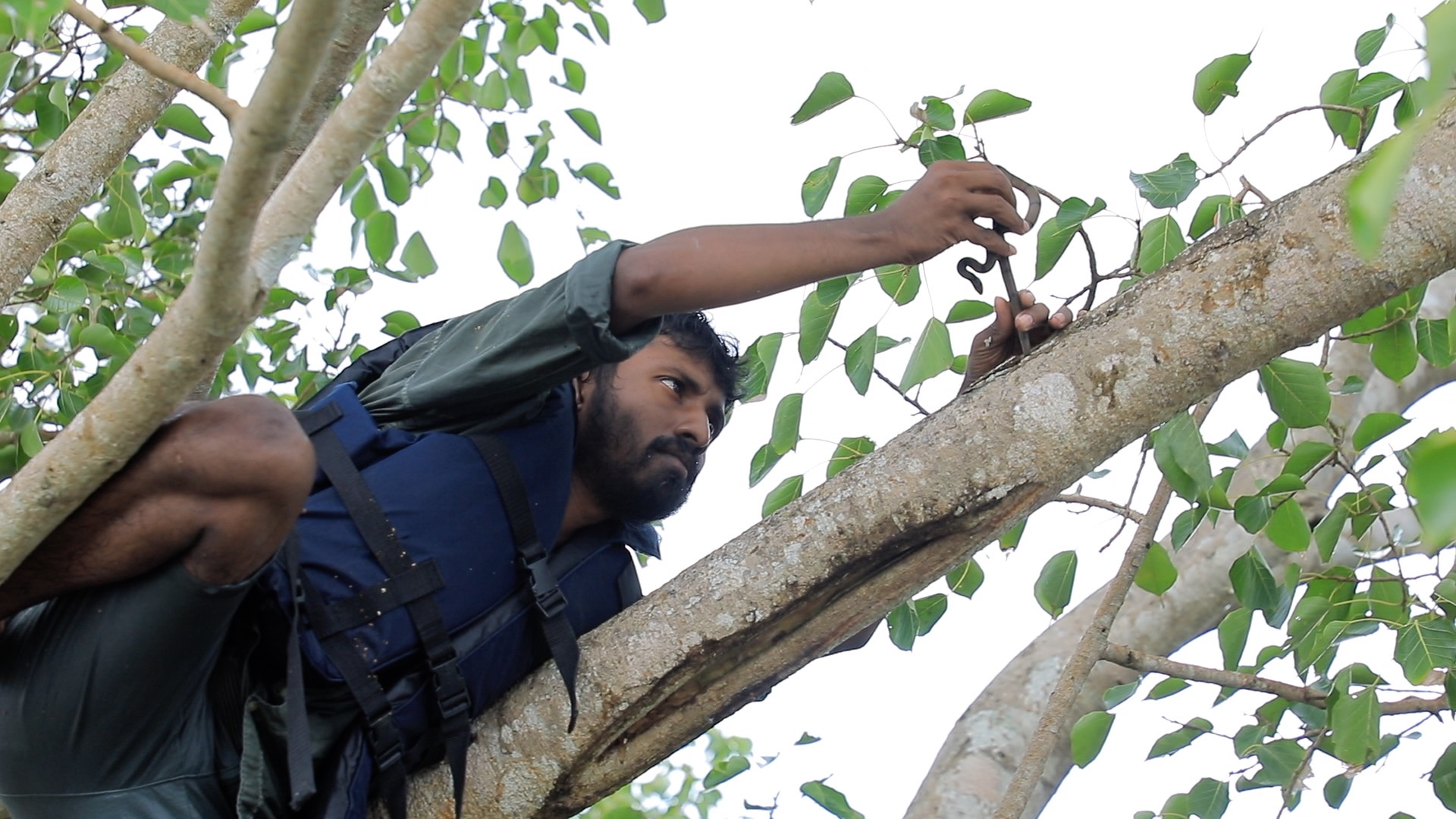
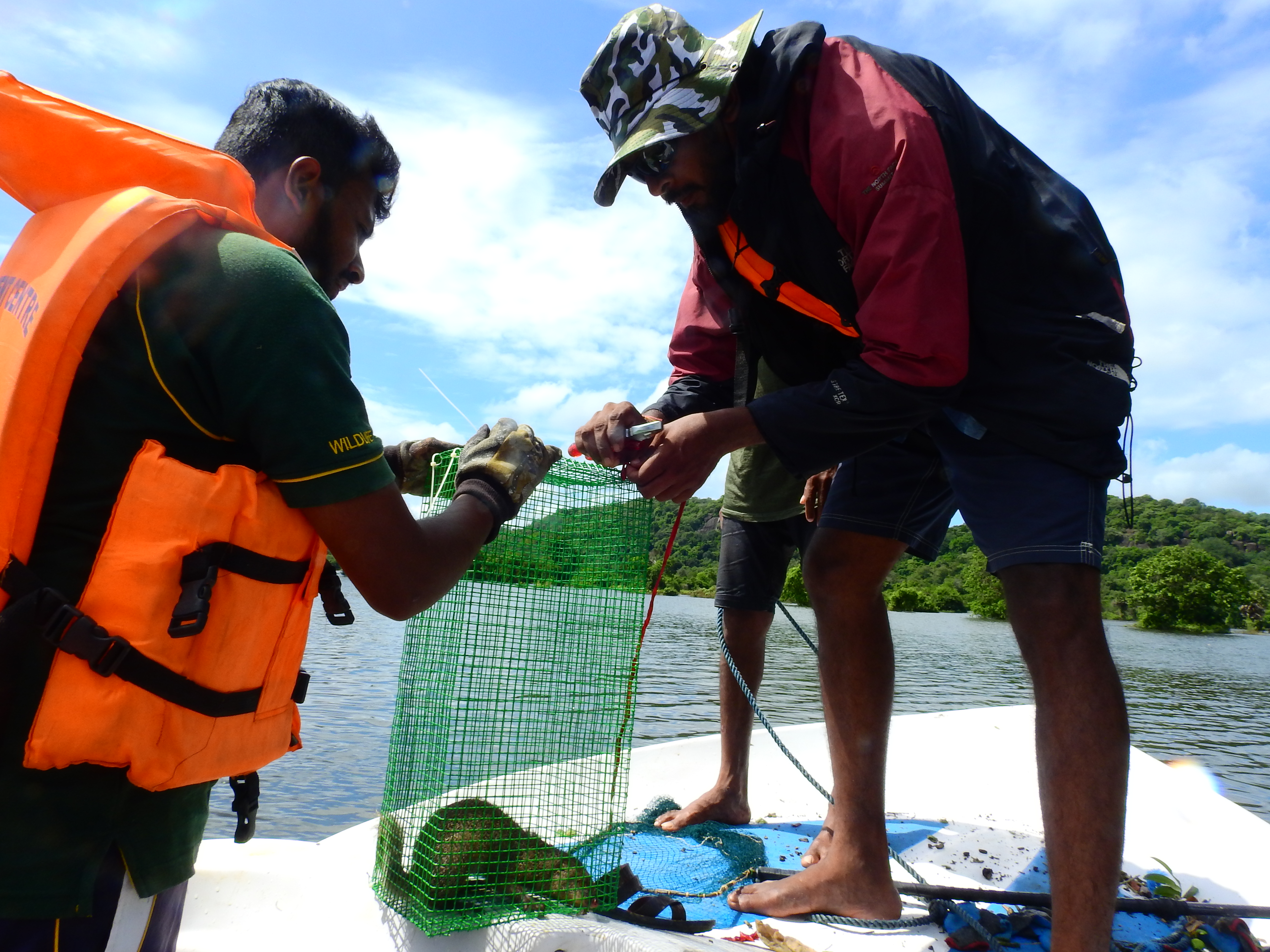
A dedicated 15-member volunteer team worked tirelessly for 20 consecutive days in challenging field conditions, navigating rising waters and dense vegetation to locate and rescue trapped animals.

03
04

Rescue, Rehabilitation & Release

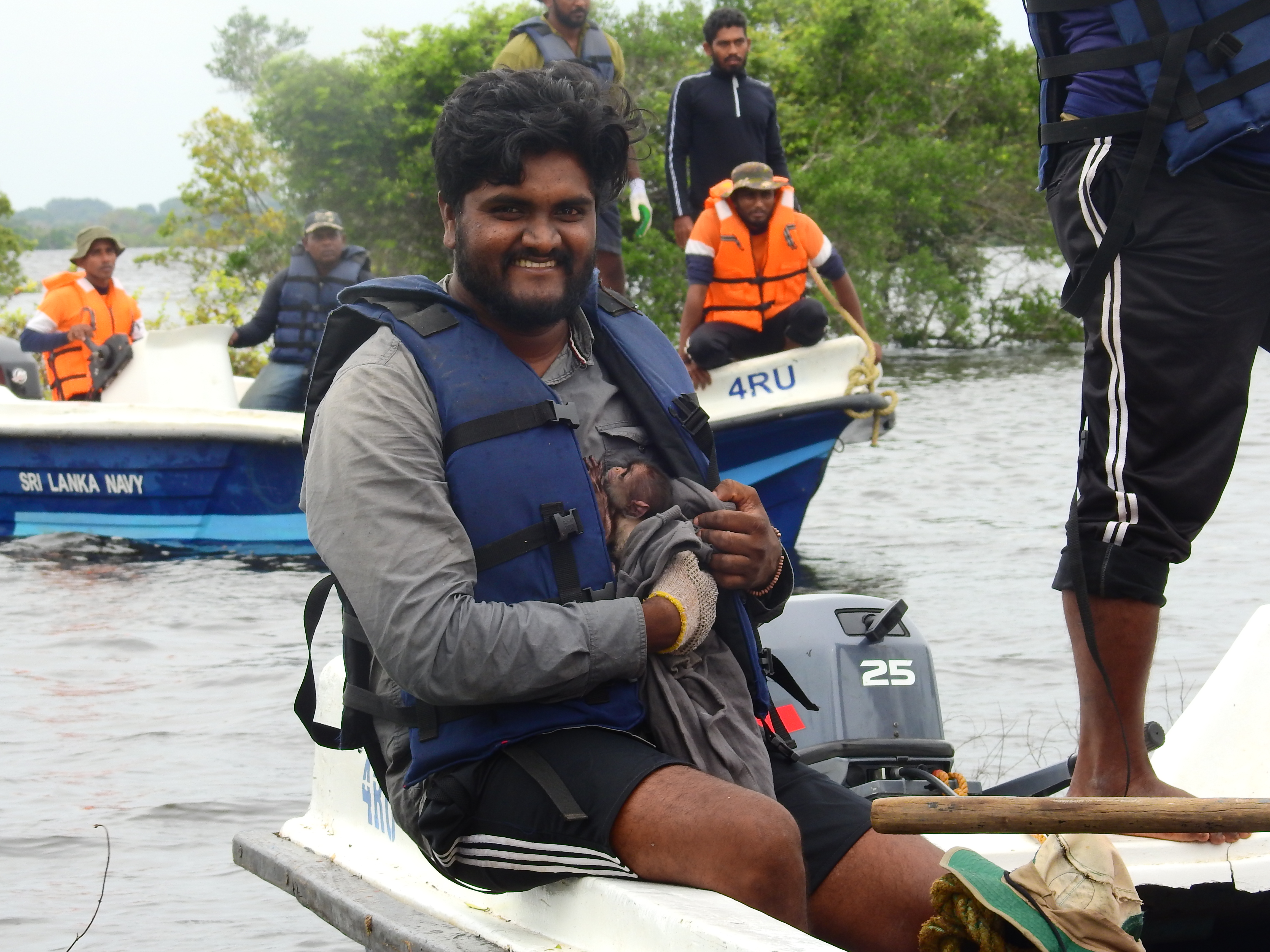
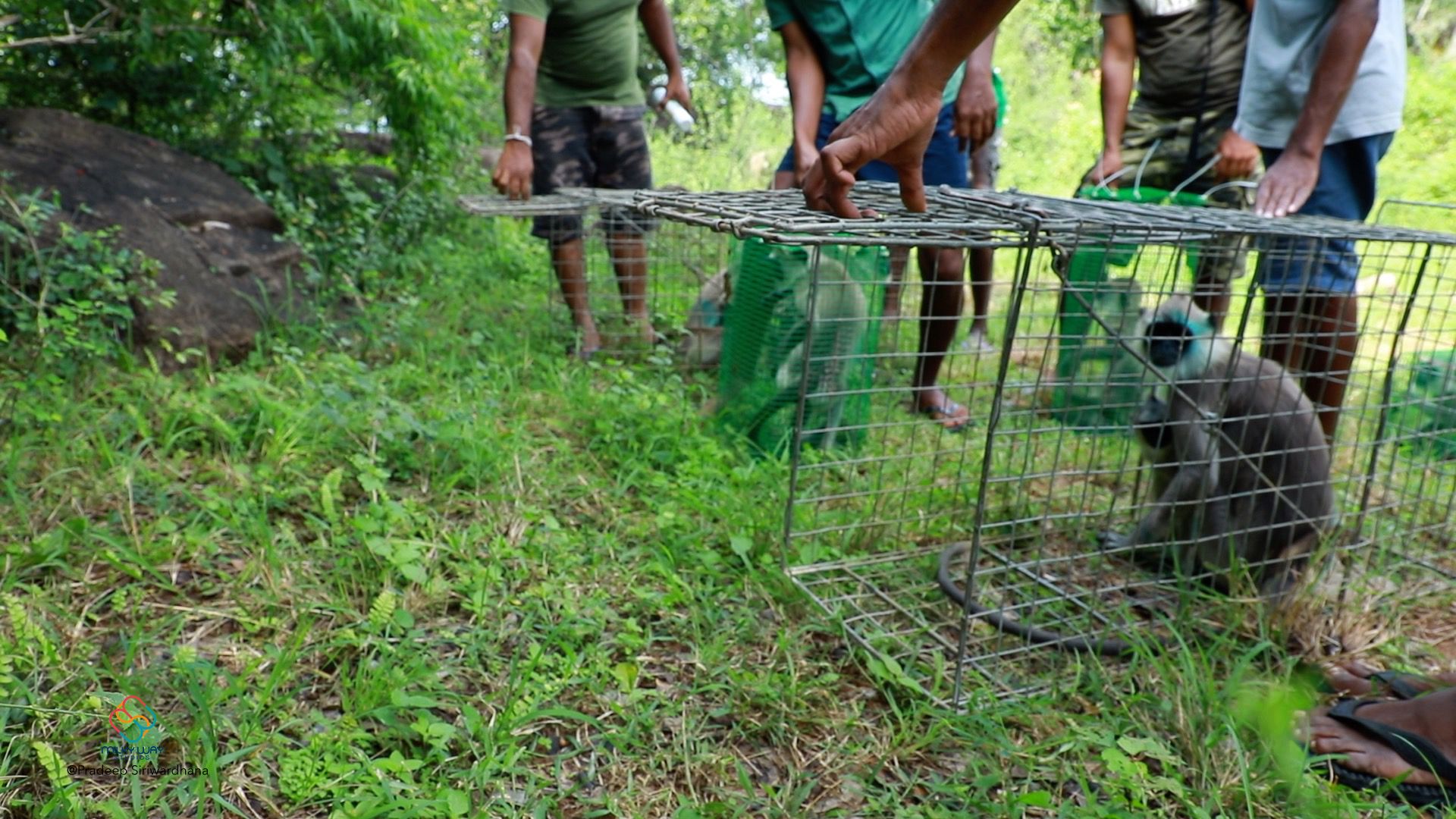
Rescued animals including Grey langurs, Toque macaques, and numerous reptile species were rehabilitated and safely released into suitable habitats away from the rising reservoir waters.

By the Numbers

Mission Results

0
+
Animals Rescued
0
 
Days of Operation
0
 
Volunteer Team Members
0
 
Partner Organisations

Despite rescuing 1,300 animals, this represents only approximately 0.2% of the total biodiversity of the area — a sobering reminder of the true scale of this ecological loss.

Collaboration

Partners in the Field

Species Conservation Centre

Lead organisation coordinating the rescue, rehabilitation, and release of wildlife throughout the mission.

Dept. of Wildlife Conservation

Provided regulatory support, wildlife handling expertise, and coordination with national conservation frameworks.

Sri Lanka Navy

Provided essential aquatic logistics and vessel support, enabling access to submerged areas throughout the operation.

Irrigation Department

Coordinated the reservoir filling schedule to allow the rescue teams maximum time to operate safely in the field.