Combining renewable energy, water conservation, and wildlife protection within Sri Lanka's North Central dry zone
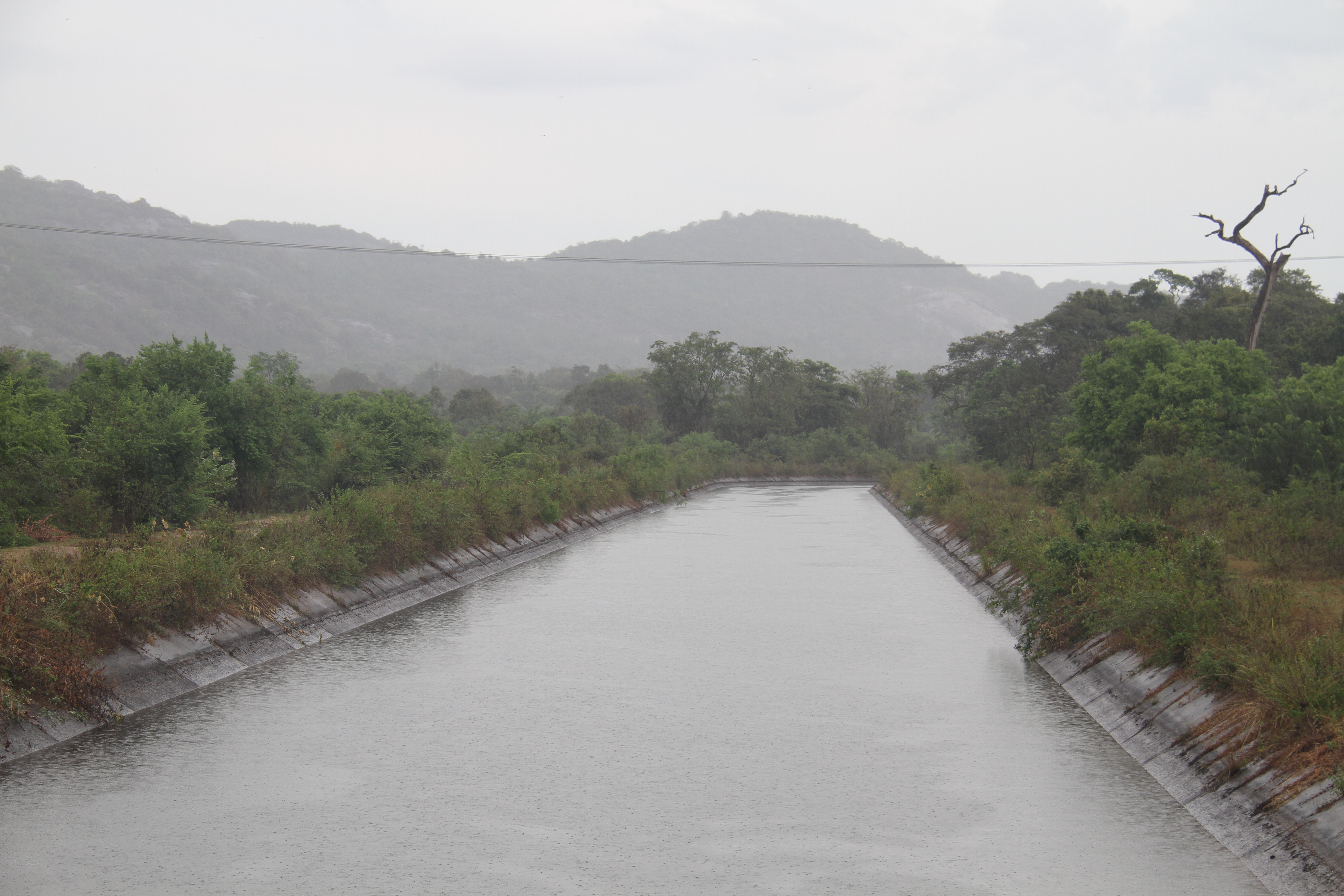
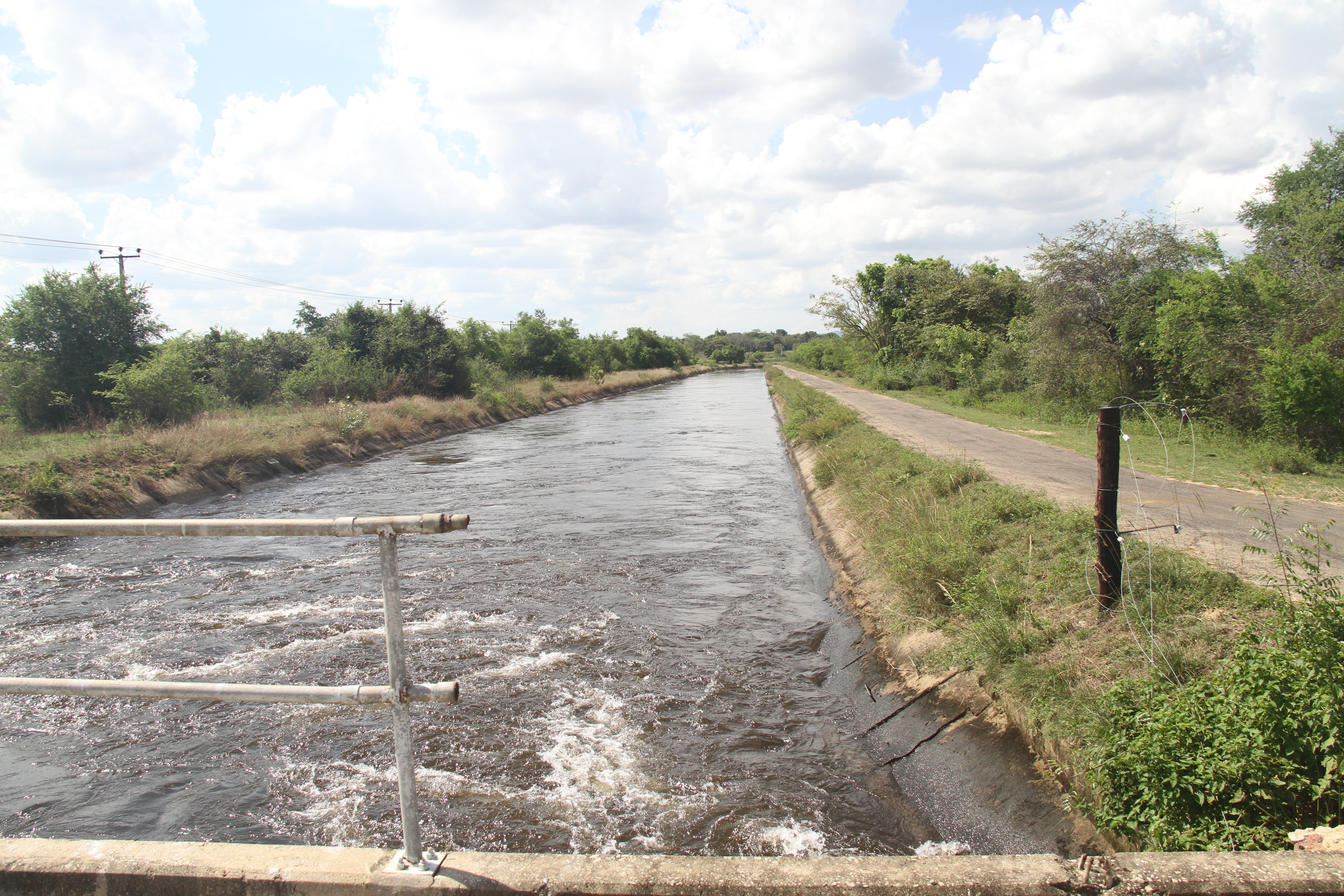
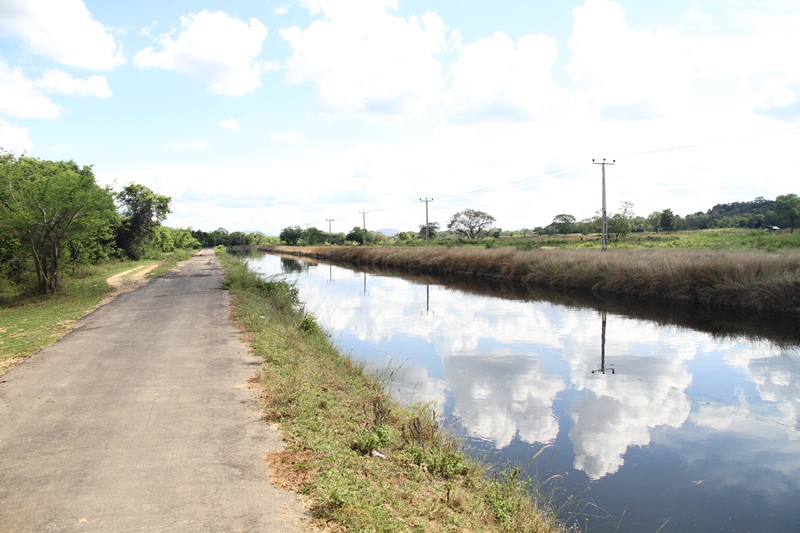
Discover the InitiativeThe ZD Canal is one of Sri Lanka's largest irrigation canals, extending 55 kilometres in total length and measuring approximately 14 metres wide and 22 feet deep. Running between Maduru Oya and Aralaganwila in the North Central dry zone, it forms a critical water lifeline for agriculture across the region.
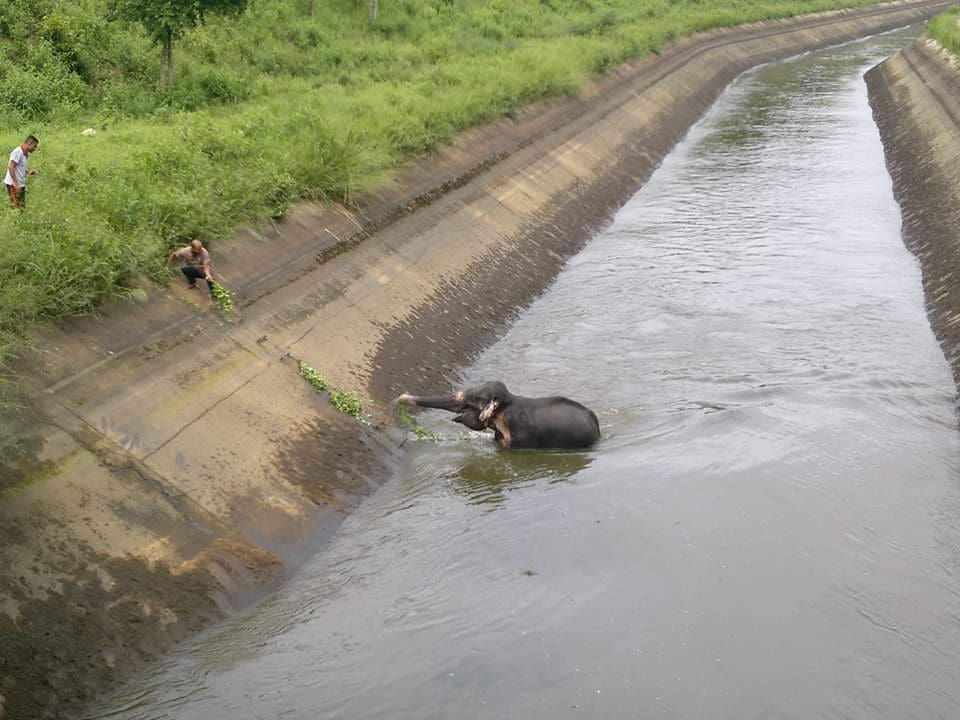
However, this vital infrastructure has unintentionally become a major hazard for wildlife. The canal's steep walls and depth make it virtually impossible for animals — especially elephants — to escape once they fall in. Annual records indicate 20–30 elephant falling incidents per year, alongside numerous unrecorded casualties of smaller wildlife species.
The Species Conservation Centre (SCC) has identified this canal as both a conservation challenge and a unique opportunity: by installing a canal-top solar system, SCC aims to address elephant mortality, generate clean energy, and reduce canal water evaporation in a single, landscape-scale solution.
The ZD Canal sits at the intersection of two urgent national challenges: escalating human–elephant conflict and the need to rapidly scale renewable energy infrastructure — presenting a rare opportunity to address both with one integrated solution.
Sri Lanka is accelerating its transition to renewable energy, with national targets aiming to significantly increase renewables' share by 2030. The ZD Canal-Top Solar Initiative directly aligns with these targets while simultaneously eliminating a critical death trap for the country's most iconic wildlife — the Asian elephant.
The ZD Canal's steep, sheer walls — 22 feet deep and 14 metres wide — make it nearly impossible for any animal to escape once they fall in. For Sri Lanka's Asian elephants, which regularly traverse this landscape, the canal represents a lethal barrier cutting across their natural movement corridors.
Between 20 and 30 elephants fall into the canal each year. Without protective infrastructure, this toll will continue to grow as elephant populations are forced into narrower ranges by habitat fragmentation. The canal has unintentionally severed historic migration routes, isolating gene pools and increasing human–elephant conflict in surrounding villages.
The ZD Canal-Top Solar & Elephant Protection Initiative is a multi-component intervention designed by the Species Conservation Centre to simultaneously generate clean energy and eliminate wildlife mortality along a 10-kilometre stretch of the canal.
A 5 MW solar array mounted on structures spanning 10 km of canal infrastructure, feeding directly into the national grid. The canal-top design eliminates the need for large-scale land acquisition, avoiding deforestation while achieving high panel efficiency through natural evaporative cooling from canal water.
Systematic identification and mapping of existing and historically blocked elephant corridors along the ZD Canal using GPS tracking and camera trap data. This forms the evidence base for placement of overpasses and protective fencing to restore ecological connectivity across fragmented habitats.
Construction of animal overpasses at priority crossing points to restore movement corridors. Installation of 6-foot chain link fencing in high-risk elephant falling zones, combined with electric fencing buffers to prevent structural damage to the solar installation while guiding animals safely away from the canal edge.
Continuous monitoring of elephant movement using GPS mapping and strategically deployed camera traps across the canal corridor. This data will track the effectiveness of overpasses and fencing, monitor changes in elephant behaviour, and provide evidence for adaptive management and potential replication at other canal systems.
Initial site surveys, canal risk assessments, and elephant incident data compilation completed across the focus zone.
CompletedEngagement with government agencies, energy authorities, conservation bodies, and local communities has been completed.
CompletedTechnical feasibility studies, environmental review processes, and engineering concept development are currently in progress.
In ProgressSCC is actively seeking funding partnerships and institutional collaborations to advance the project toward full implementation.
Seeking PartnersThis project is positioned to become Sri Lanka's first canal-top solar project and a nationally significant example of climate-smart conservation infrastructure. As funding partnerships are secured, SCC will advance to full implementation.
Images from the ZD Canal project area in Sri Lanka's North Central dry zone